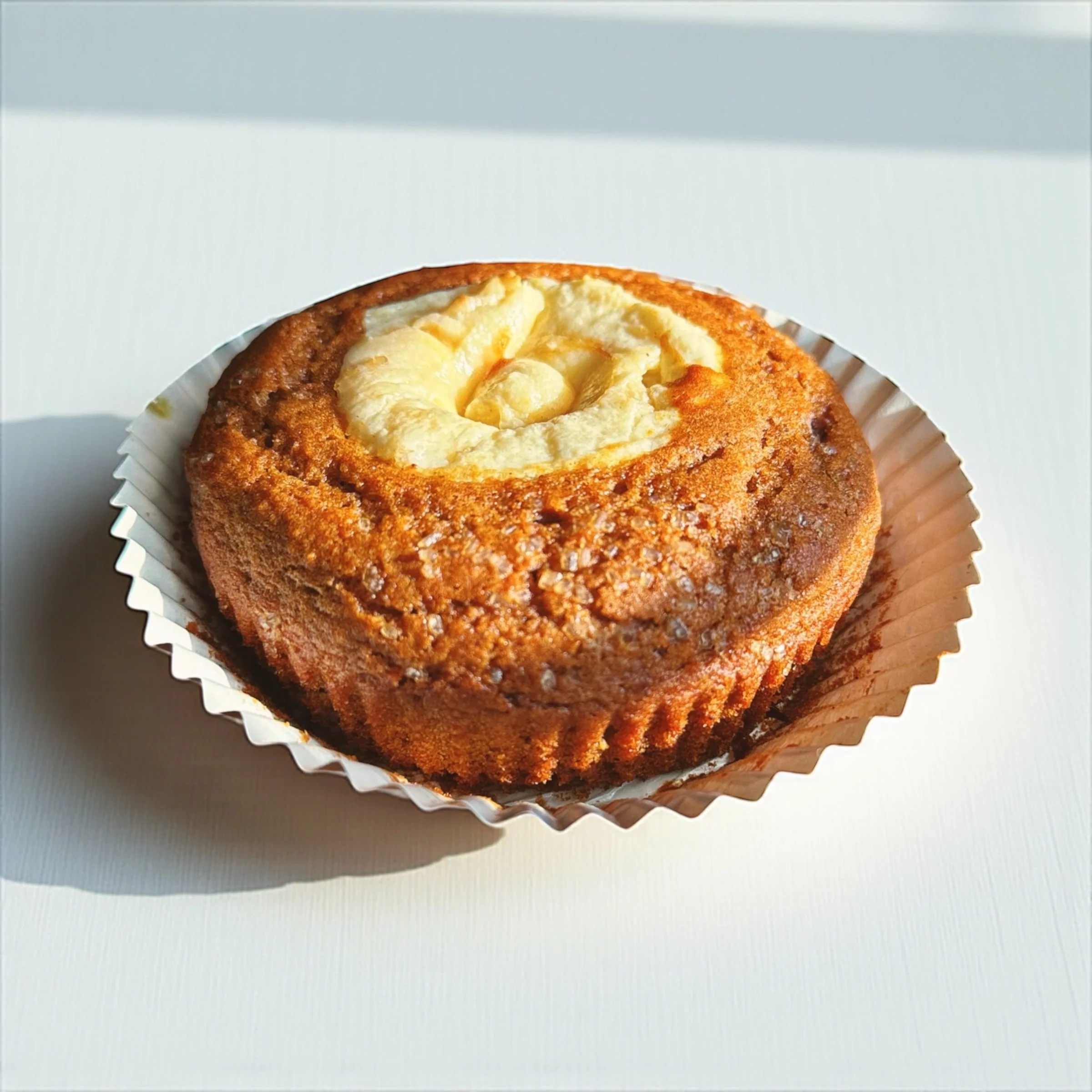
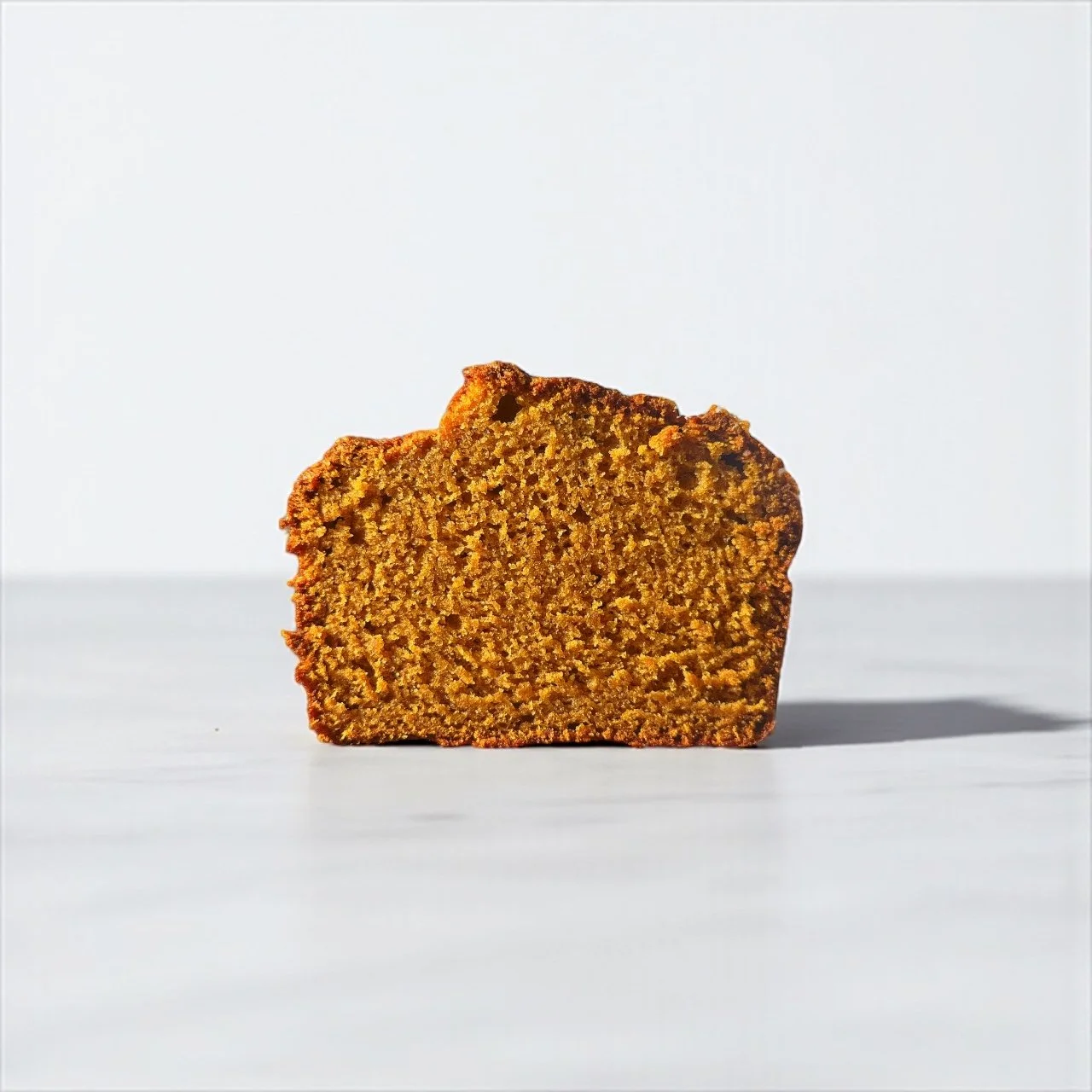
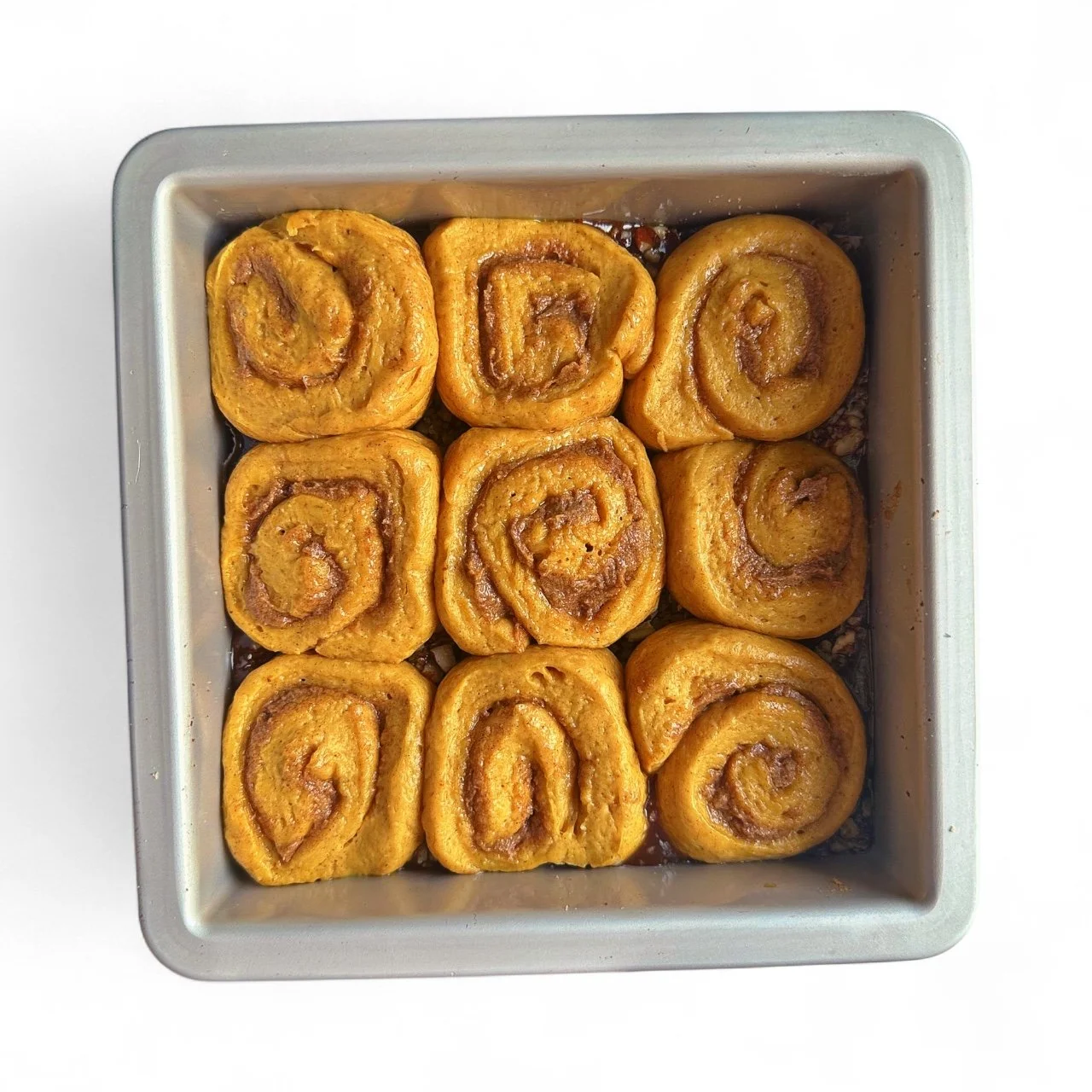
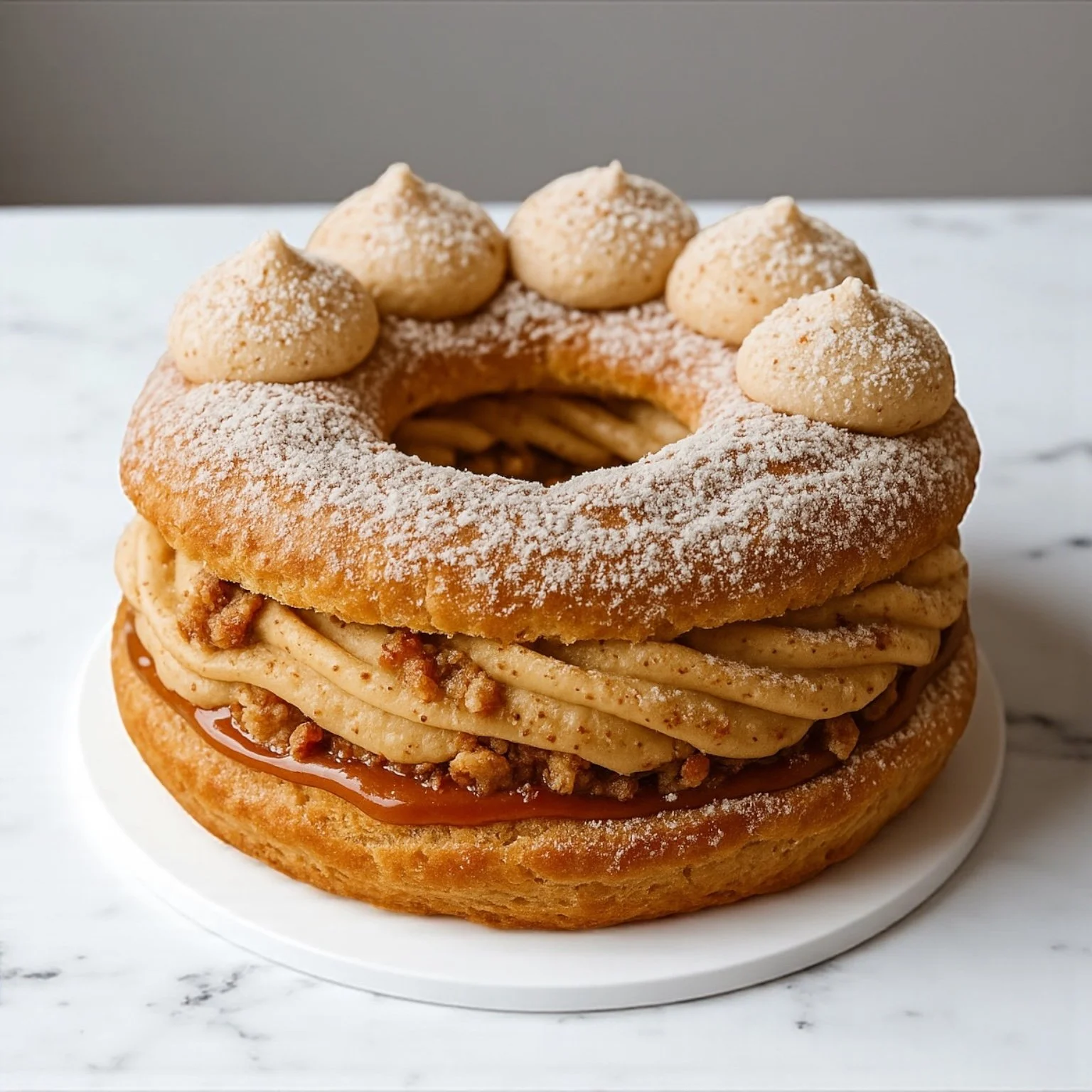
Welcome to the Bakeshop Collection
Your membership unlocks this library for as long as it remains active.
The Bakeshop Collection is now the primary home for recipe content inside Carter's Bakeshop as of 06/20/2026. There are over 75 recipes currently available, with new recipes added regularly..
Looking for something specific?
Visit Free Content to view what’s available to you at no cost!
For full library access, the stay in the Bakeshop Collection and checkout the Collection Index
For one-time purchases, then shop in the Market. Not every recipe will be available individually in the Market. Collection members receive access to the complete library while the Market contains a rotating selection of individual purchases.
Have questions? First visit the FAQ for downloads, refunds, membership details, and policies
A Growing Recipe Library
Beginning in February 2026, volume measurements were added to most new recipe files as a courtesy. Older recipes may contain metric measurements only, and be in a previous format before we switched to downloadable PDFs. All formulas are developed and tested using metric measurements, which should always be considered the primary and most accurate version of the recipe. For volume conversions, please use a trusted online conversion tool as needed.
Member Perks
25% Off Eligible Market Purchases beginning 07/01/2026
Applies to Vault access, Recipe Audits, and other items not included inside the Bakeshop Collection.
Monthly Member Discount Codes
A new coupon code is sent out the night before the 1st of each month so you always have access to your member discount.
Joined Mid-Month?
If you joined after codes were sent out, simply submit a contact form on the homepage and your code will be provided.
Exclusive Sales & Offers
Members receive more frequent sales and occasional additional discount codes.
Important
Please do not share member codes or sale information. These perks are exclusive to active members and help support the continued growth of this Collection.
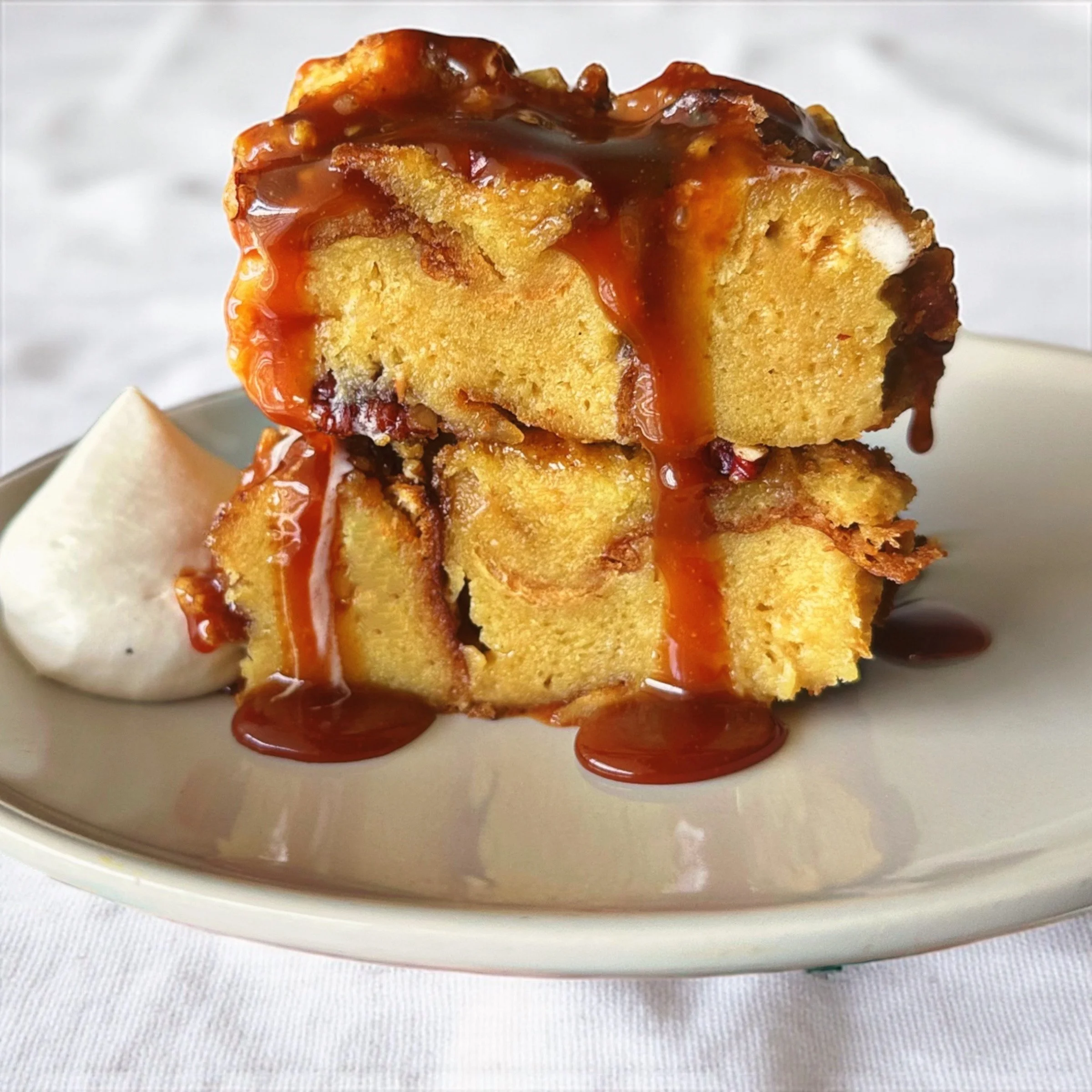
Brown sugar pecan bread custard
Bread pudding is often thought of as a humble way to use up stale bread, but in a professional kitchen it transforms into something entirely different: a custard-driven dessert with layers of texture and flavor. This version takes inspiration from pecan pie, folding in ribbons of homemade pecan praline, finishing with a buttery pecan topping, and serving it warm with bourbon caramel and mascarpone-whipped cream.
What makes this bread pudding stand out from the rest is the custard itself. Instead of using whole eggs and milk in a rustic mix, this recipe relies on egg yolks only, tempered into cream and milk — the same base you’d use for a classic crème anglaise. The result is silky and refined, closer to crème brûlée in texture than the bread puddings you may be used to.
I’ve written the recipe with options, so you can choose how custardy you’d like it. The baseline version is sliceable and structured, perfect for neat squares on a plated dessert. For those who love a softer, more indulgent pudding, you can increase the custard for a creamier, spoonable texture. Either way, it’s a bakery-worthy twist on a nostalgic classic.
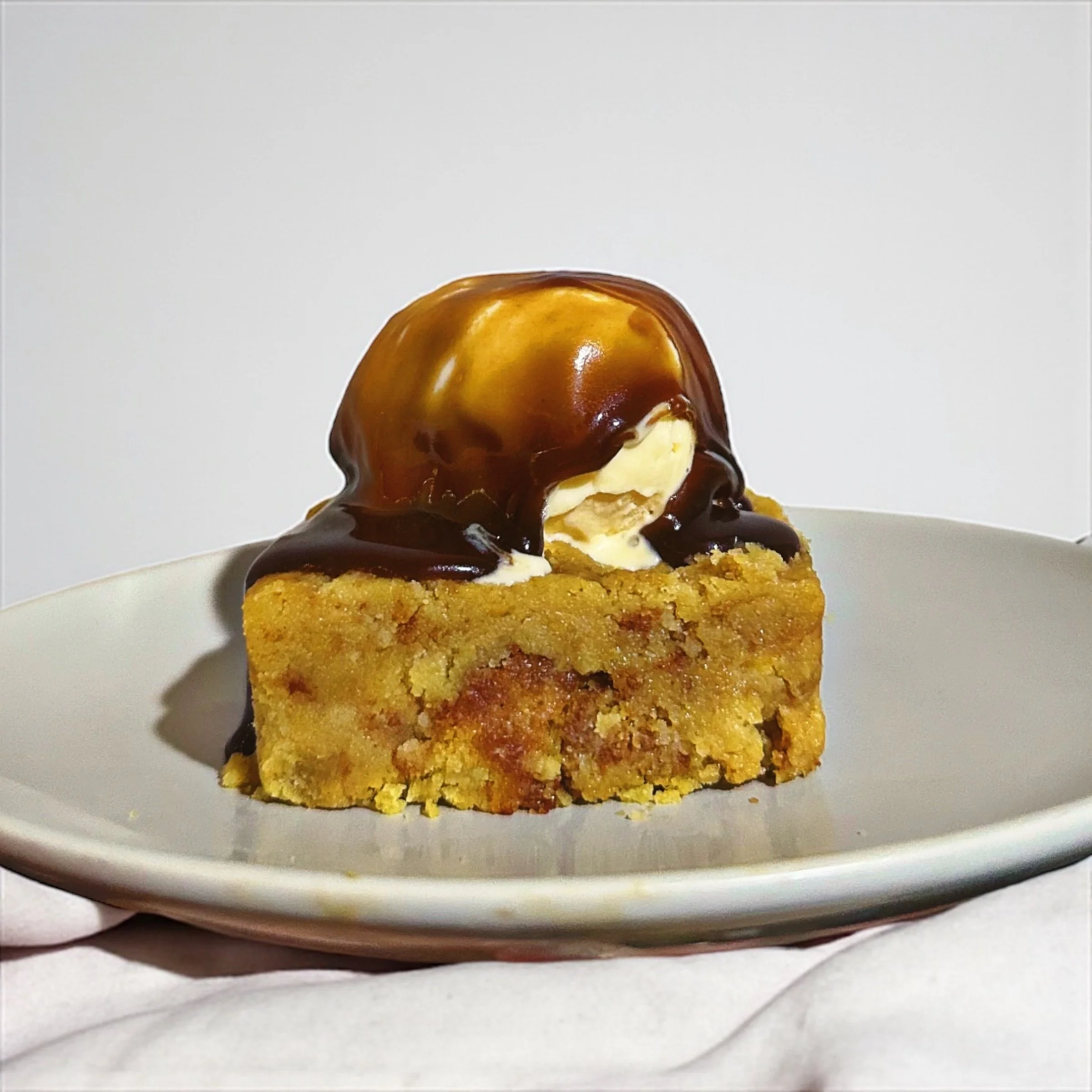
Fireside Corn Pudding à la Mode
Corn pudding has always lived in that delicious space between cake and custard. Traditional versions lean rustic: corn, milk, eggs, and a little starch baked into a soft casserole that you scoop warm at the table. My version takes that familiar comfort and refines it into a plated dessert — part cake, part pudding, and fully indulgent.
Instead of relying only on cornmeal, I simmer and purée sweet corn into a silky base, fold in tender kernels for texture, and bake the batter shallow so it sets custardy rather than bready. Fresh from the oven, the cake is soaked with a brown sugar corn milk to lock in moisture, brushed carefully until every inch glistens. From there, the dessert becomes layered: a warm scoop of pudding collapses into a pool of espresso toffee sauce, paired with a quenelle of brown sugar Chantilly or, in true à la mode fashion, a scoop of ice cream.
Here, “à la mode” means exactly what you’re craving: warm corn pudding served with cold ice cream and sauce. The heat of the pudding melts the ice cream just enough to mingle with the espresso toffee, creating a plate that is both rustic and refined. It’s comfort food, plated like a signature pastry.
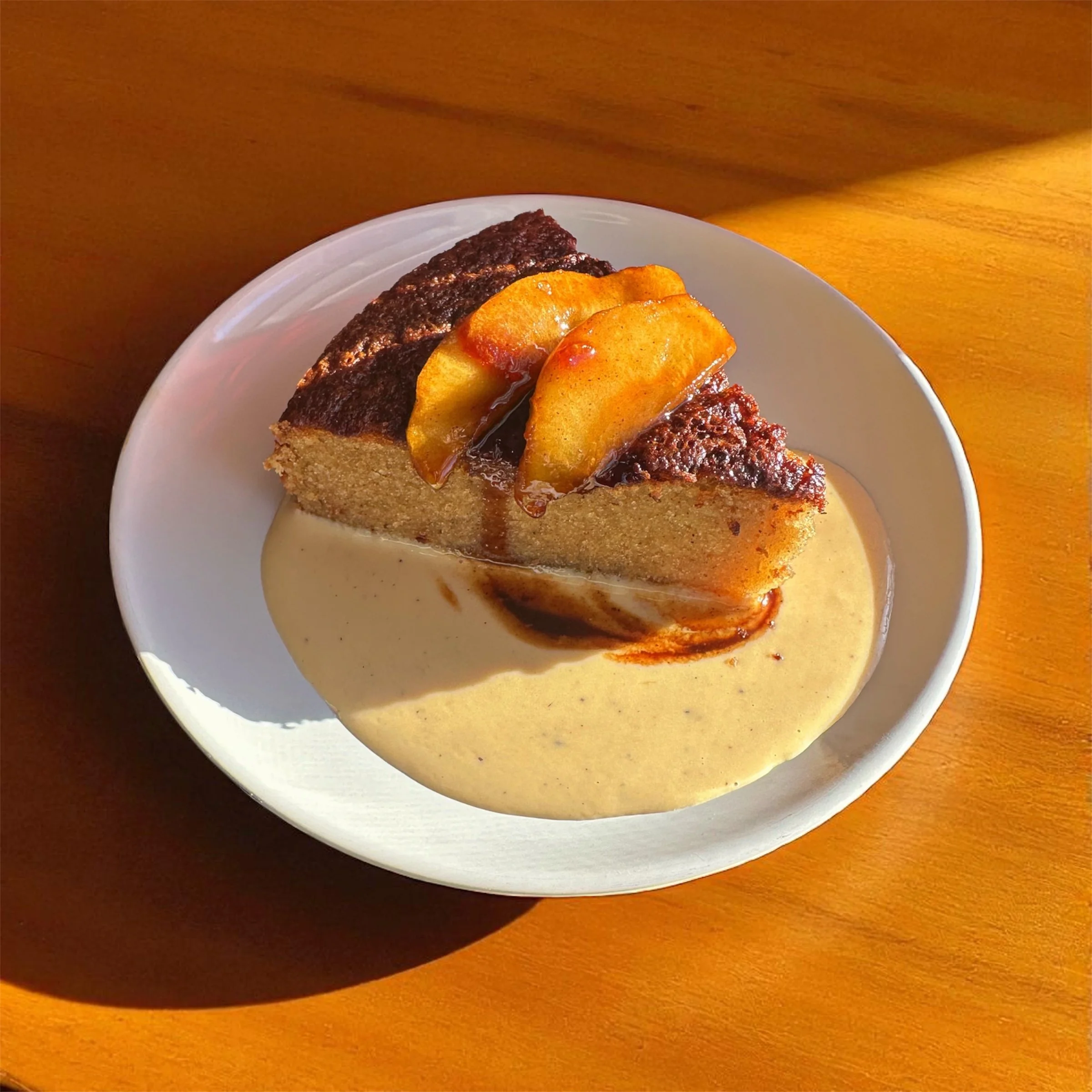
Amberwood Cake
Built on a plush olive oil and brown sugar base, it bakes up with a deep amber hue, a velvety crumb, and a caramelized flavor that doesn’t need to shout to feel indulgent.
This cake is layered in warmth, not complexity. The caramelized apples bring brightness and buttery depth, while the brown sugar crème anglaise provides a silky counterpoint, turning a simple slice into a plated dessert moment. It’s the kind of cake that works just as well on a cozy dessert table as it does in a café pastry case — unfussy but quietly elegant.
The Amberwood Cake is the heart of fall flavor without leaning on heavy spices or overwhelming sweetness. It’s subtle, sophisticated, and rich enough to stand on its own — but irresistible when served warm with cold crème anglaise and glossy apples.
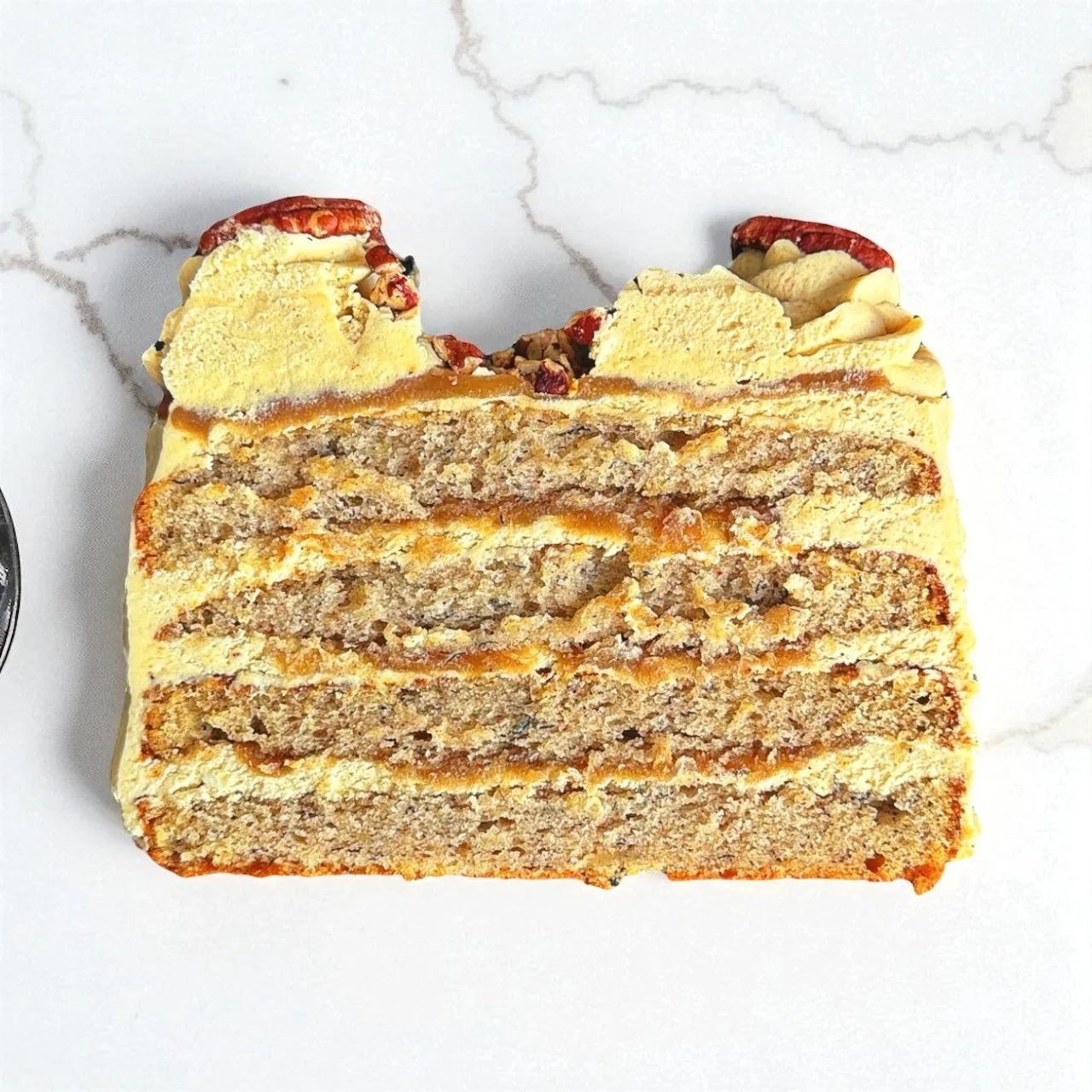
Salted Espresso Banoffee Cake
A plush, velvety, banana-forward crumb with gentle warmth from cinnamon and nutmeg. The layers are moist (not wet), resilient enough to torte thin, and slice cleanly. Salted toffee brings deep caramel notes; the cream-cheese-toffee buttercream is silky, lightly tangy, with a buttery toffee finish. Espresso (if used) reads as a subtle roast note, not coffee cake. At room temperature the crumb feels almost custardy-soft but still stands tall under piped rosettes. Chilled, the build is firm and neat; after 30–45 minutes at room temp, it’s peak serving texture.