Master Dough + Base Glaze + 20 Filling Formulas
This is the updated 2026 format of my 2025 Signature Fritter Guide.
The underlying master recipe and flavor formulas are the same recipes originally released in 2025. I did not turn this into a different fritter formula just to call it “new.” What has changed is the file itself: it has been reorganized, rewritten, expanded, and formatted to be much easier to actually work from in a home bakery, cottage bakery, or professional production setting.
If you purchased the original 2025 version, please understand that this is an updated edition of that same recipe system, not a completely new master dough.
This is a proprietary bakery formula for true yeast-raised, fried bakery fritters, the style you would expect from a donut shop or bakery case. These are not baked fritters, cake-style fritters, or a quick-bread product.
The guide gives you one complete fritter system: a dedicated enriched yeast dough, a universal chop-and-fold shaping method, frying standards, a glaze base, and 20 different fillings that can be used with the same process.
PREVIOUS PURCHASERS
If you purchased the Signature Fritter Guide in the past and would like the updated Carter’s 2026 format, submit a contact form through the website with the name and email address used for your original purchase.
Please include that you purchased the fritter guide so the order can be verified and the updated file can be sent to you.
WHAT YOU’RE GETTING
Master yeast-raised fritter dough
Same-day fermentation method
Optional overnight / cold fermentation method
Universal chop-and-fold shaping method
Portioning and final-proof standards
Frying temperature, timing, oil depth, and internal doneness targets
Guidance for peanut oil and an oil/shortening frying blend
Base fritter glaze formula
Glaze consistency and application guidance
Extract, emulsion, citrus, coffee, maple, caramel, and other glaze flavoring guidance
Double-glazing and finishing options
Flavor-pairing guidance for building additional combinations
20 individual filling formulas
Fresh and frozen fruit handling
Filling texture standards
Cornstarch slurry guidance
Prepared-component notes for ingredients such as caramel, pistachio paste, ganache, pastry cream, and toasted nuts
Ingredient notes covering flour, milk, butter, eggs, yeast, and frying fats
Finished fritter texture and appearance standards
Frying and doneness guidance
Make-ahead and storage information
Production planning and scaling
Filling production for multiple flavors
Larger-batch frying guidance
Troubleshooting for dough, fillings, shaping, frying, oil absorption, leakage, and glaze
The primary dough is written around a 500 g flour batch and approximately 120 g fritter portions, with 400 g prepared filling used per master batch. The standard frying target is 360°F / 182°C, with a finished internal temperature around 200°F / 93°C.
20 FILLING FORMULAS INCLUDED
Each filling includes its own ingredient quantities, preparation instructions, and a target texture so you are not relying on cook time alone to decide whether a filling is ready.
WHY THERE IS A MASTER DOUGH INCLUDED
Many bakeries make fritters from an existing yeast-raised donut dough, production scraps, or excess dough. That can work perfectly well when a bakery already has a donut formula it loves.
This guide was built so you do not need an existing donut program to make the product.
The included dough is soft and enriched enough for a tender interior but strong enough to tolerate chopping, folding, a substantial amount of filling, proofing, and frying without requiring you to source and test a separate donut formula first.
Already have a premium yeast donut dough? You can still use the filling formulas, shaping system, glaze work, and production information as a framework. Different doughs will naturally behave differently depending on hydration, enrichment, strength, fermentation, and portion size.
SKILL LEVEL
This is a professional-style recipe file, not a beginner video course.
You should be comfortable with basic yeast-dough production, weighing ingredients, fermentation and proofing, frying, and working from physical texture cues.
You will want
A digital kitchen scale
A stand mixer with a dough hook
An instant-read thermometer
A fryer thermometer or reliable thermostatically controlled fryer
A bench scraper
A Dutch oven or deep fryer
Wire racks and sheet pans
Metric weights are the primary measurements used for development. Volume measurements are included where appropriate as a courtesy
ABOUT THE UPDATED FORMAT
The 2025 recipe itself was not replaced.
This edition was rebuilt to make the information much easier to find and use. The recipe comes first, followed by the flavor formulas and glaze work, then the deeper technical sections on ingredients, frying, filling behavior, storage, production, and troubleshooting.
So if you have seen or used the older version, this should feel much more like a complete professional recipe guide rather than a collection of notes surrounding the formula.
MARKET EXCLUSIVE
This file is a Market-exclusive recipe product.
It is not expected to be added to the Bakeshop Collection, so please purchase it from the Market if you want permanent access to this specific guide.
It is also intended to remain a long-term Market recipe, so there is no need to feel pressured to purchase it before you are financially ready.
COTTAGE & SMALL-BAKERY USE
I do not make recipes targeted for cottage bakers, unless a file specifies it was developed with that in mind. This file can be useful for serious home bakers, cottage bakers, small bakery businesses, donut shops, pop-ups, and anyone building a fried pastry menu.
The base glaze contains milk. If you operate under cottage-food regulations, verify your own state requirements and adjust any glaze, dairy-based filling, pastry cream, ganache, or other perishable component as required for your operation.
Commercial or prepared components may be used where a separate component formula is not provided. For example, some variations use ingredients such as caramel sauce, pistachio paste, ganache, pastry cream, chocolate-hazelnut spread, or toasted nuts. The important part is using a component with the appropriate texture for fritter production.
IMPORTANT BEFORE PURCHASING
This is a digital recipe file only. There is no physical product, live class, or full step-by-step video tutorial included.
The file assumes you can follow written professional-style recipe instructions and use temperature, proofing, and texture cues rather than expecting time alone to determine when every stage is complete.
Results will still depend on ingredient brands, flour strength, dough temperature, proofing conditions, fryer recovery, shaping, filling consistency, and general execution.
INTELLECTUAL PROPERTY
This recipe guide and its contents are the intellectual property of Carter’s Bakeshop.
Purchase grants permission to use the formulas to produce baked goods for personal use or for your own bakery/business.
Purchase does not grant permission to reproduce, publish, teach from, distribute, share, resell, upload, or otherwise provide the recipe file or its written formulas to others, in whole or in part.
Master Dough + Base Glaze + 20 Filling Formulas
This is the updated 2026 format of my 2025 Signature Fritter Guide.
The underlying master recipe and flavor formulas are the same recipes originally released in 2025. I did not turn this into a different fritter formula just to call it “new.” What has changed is the file itself: it has been reorganized, rewritten, expanded, and formatted to be much easier to actually work from in a home bakery, cottage bakery, or professional production setting.
If you purchased the original 2025 version, please understand that this is an updated edition of that same recipe system, not a completely new master dough.
This is a proprietary bakery formula for true yeast-raised, fried bakery fritters, the style you would expect from a donut shop or bakery case. These are not baked fritters, cake-style fritters, or a quick-bread product.
The guide gives you one complete fritter system: a dedicated enriched yeast dough, a universal chop-and-fold shaping method, frying standards, a glaze base, and 20 different fillings that can be used with the same process.
PREVIOUS PURCHASERS
If you purchased the Signature Fritter Guide in the past and would like the updated Carter’s 2026 format, submit a contact form through the website with the name and email address used for your original purchase.
Please include that you purchased the fritter guide so the order can be verified and the updated file can be sent to you.
WHAT YOU’RE GETTING
Master yeast-raised fritter dough
Same-day fermentation method
Optional overnight / cold fermentation method
Universal chop-and-fold shaping method
Portioning and final-proof standards
Frying temperature, timing, oil depth, and internal doneness targets
Guidance for peanut oil and an oil/shortening frying blend
Base fritter glaze formula
Glaze consistency and application guidance
Extract, emulsion, citrus, coffee, maple, caramel, and other glaze flavoring guidance
Double-glazing and finishing options
Flavor-pairing guidance for building additional combinations
20 individual filling formulas
Fresh and frozen fruit handling
Filling texture standards
Cornstarch slurry guidance
Prepared-component notes for ingredients such as caramel, pistachio paste, ganache, pastry cream, and toasted nuts
Ingredient notes covering flour, milk, butter, eggs, yeast, and frying fats
Finished fritter texture and appearance standards
Frying and doneness guidance
Make-ahead and storage information
Production planning and scaling
Filling production for multiple flavors
Larger-batch frying guidance
Troubleshooting for dough, fillings, shaping, frying, oil absorption, leakage, and glaze
The primary dough is written around a 500 g flour batch and approximately 120 g fritter portions, with 400 g prepared filling used per master batch. The standard frying target is 360°F / 182°C, with a finished internal temperature around 200°F / 93°C.
20 FILLING FORMULAS INCLUDED
Each filling includes its own ingredient quantities, preparation instructions, and a target texture so you are not relying on cook time alone to decide whether a filling is ready.
WHY THERE IS A MASTER DOUGH INCLUDED
Many bakeries make fritters from an existing yeast-raised donut dough, production scraps, or excess dough. That can work perfectly well when a bakery already has a donut formula it loves.
This guide was built so you do not need an existing donut program to make the product.
The included dough is soft and enriched enough for a tender interior but strong enough to tolerate chopping, folding, a substantial amount of filling, proofing, and frying without requiring you to source and test a separate donut formula first.
Already have a premium yeast donut dough? You can still use the filling formulas, shaping system, glaze work, and production information as a framework. Different doughs will naturally behave differently depending on hydration, enrichment, strength, fermentation, and portion size.
SKILL LEVEL
This is a professional-style recipe file, not a beginner video course.
You should be comfortable with basic yeast-dough production, weighing ingredients, fermentation and proofing, frying, and working from physical texture cues.
You will want
A digital kitchen scale
A stand mixer with a dough hook
An instant-read thermometer
A fryer thermometer or reliable thermostatically controlled fryer
A bench scraper
A Dutch oven or deep fryer
Wire racks and sheet pans
Metric weights are the primary measurements used for development. Volume measurements are included where appropriate as a courtesy
ABOUT THE UPDATED FORMAT
The 2025 recipe itself was not replaced.
This edition was rebuilt to make the information much easier to find and use. The recipe comes first, followed by the flavor formulas and glaze work, then the deeper technical sections on ingredients, frying, filling behavior, storage, production, and troubleshooting.
So if you have seen or used the older version, this should feel much more like a complete professional recipe guide rather than a collection of notes surrounding the formula.
MARKET EXCLUSIVE
This file is a Market-exclusive recipe product.
It is not expected to be added to the Bakeshop Collection, so please purchase it from the Market if you want permanent access to this specific guide.
It is also intended to remain a long-term Market recipe, so there is no need to feel pressured to purchase it before you are financially ready.
COTTAGE & SMALL-BAKERY USE
I do not make recipes targeted for cottage bakers, unless a file specifies it was developed with that in mind. This file can be useful for serious home bakers, cottage bakers, small bakery businesses, donut shops, pop-ups, and anyone building a fried pastry menu.
The base glaze contains milk. If you operate under cottage-food regulations, verify your own state requirements and adjust any glaze, dairy-based filling, pastry cream, ganache, or other perishable component as required for your operation.
Commercial or prepared components may be used where a separate component formula is not provided. For example, some variations use ingredients such as caramel sauce, pistachio paste, ganache, pastry cream, chocolate-hazelnut spread, or toasted nuts. The important part is using a component with the appropriate texture for fritter production.
IMPORTANT BEFORE PURCHASING
This is a digital recipe file only. There is no physical product, live class, or full step-by-step video tutorial included.
The file assumes you can follow written professional-style recipe instructions and use temperature, proofing, and texture cues rather than expecting time alone to determine when every stage is complete.
Results will still depend on ingredient brands, flour strength, dough temperature, proofing conditions, fryer recovery, shaping, filling consistency, and general execution.
INTELLECTUAL PROPERTY
This recipe guide and its contents are the intellectual property of Carter’s Bakeshop.
Purchase grants permission to use the formulas to produce baked goods for personal use or for your own bakery/business.
Purchase does not grant permission to reproduce, publish, teach from, distribute, share, resell, upload, or otherwise provide the recipe file or its written formulas to others, in whole or in part.
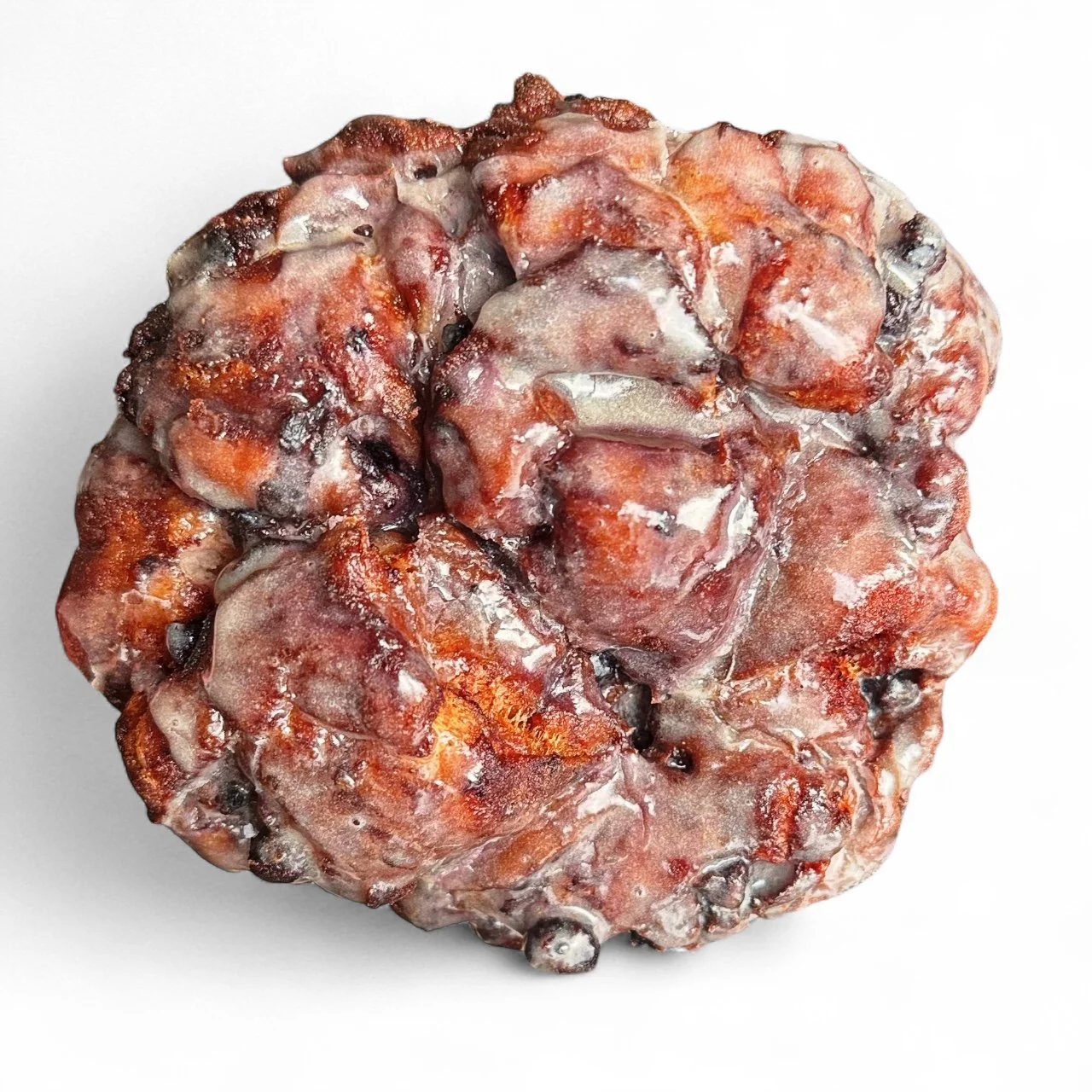 Image 1 of 17
 Image 2 of 17
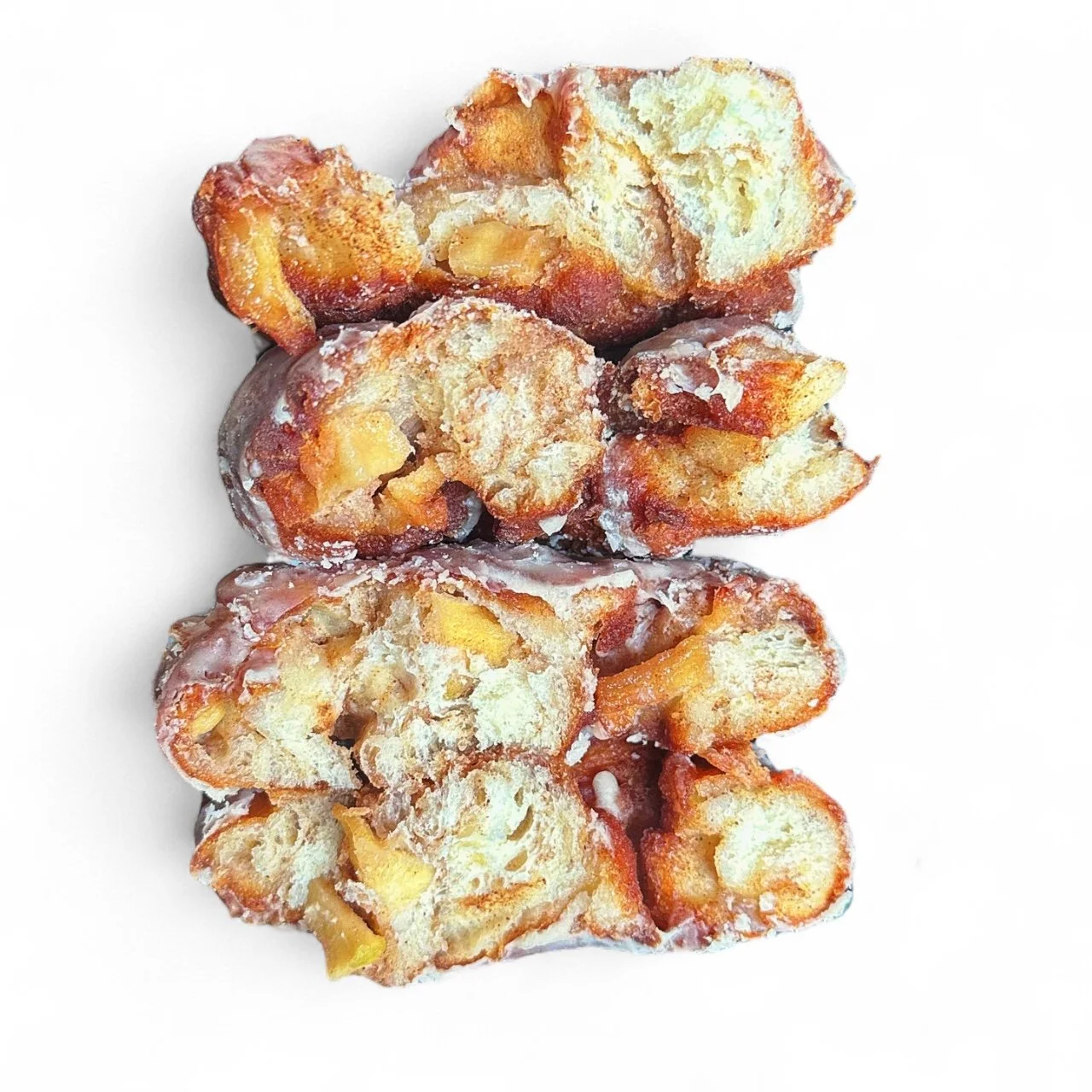 Image 3 of 17
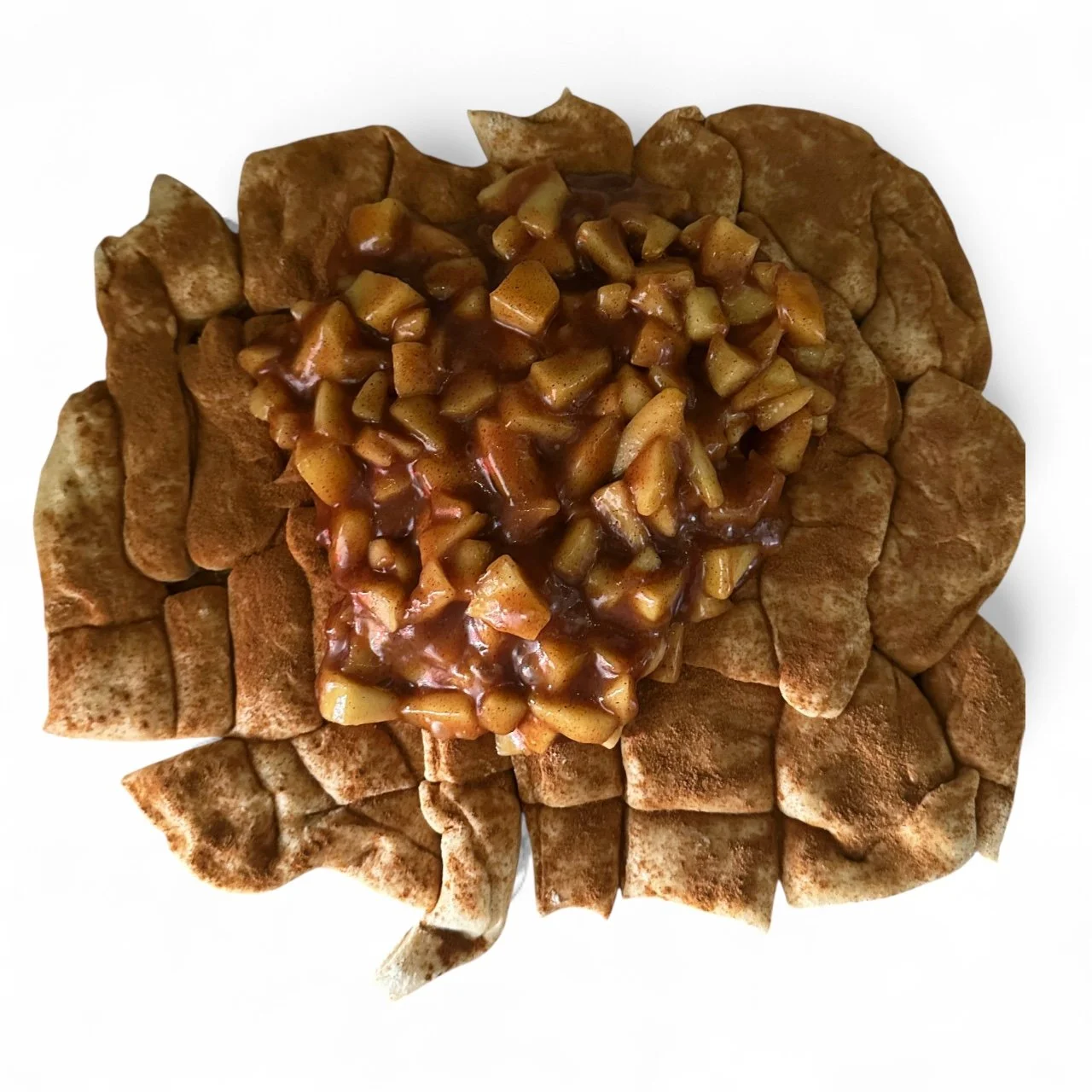 Image 4 of 17
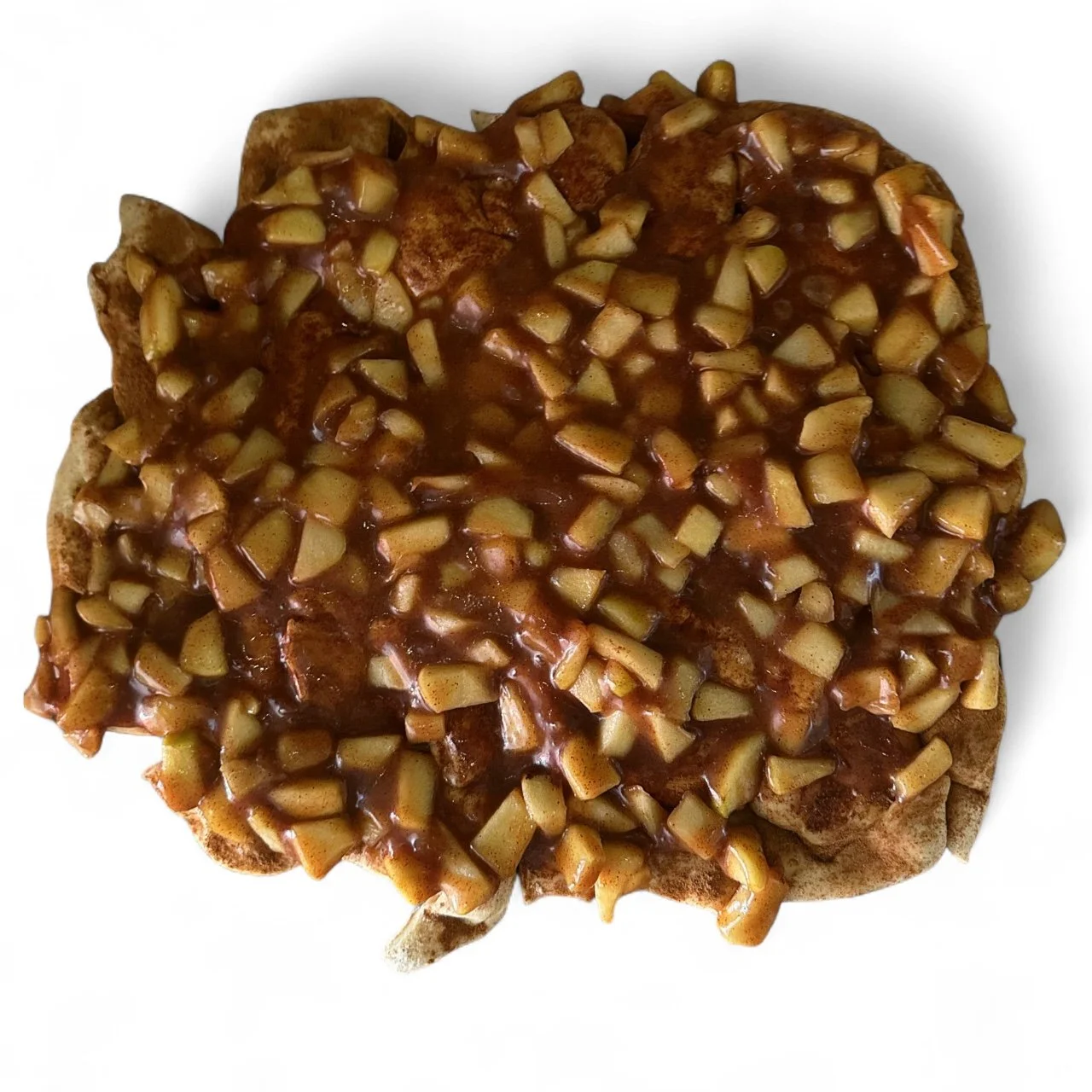 Image 5 of 17
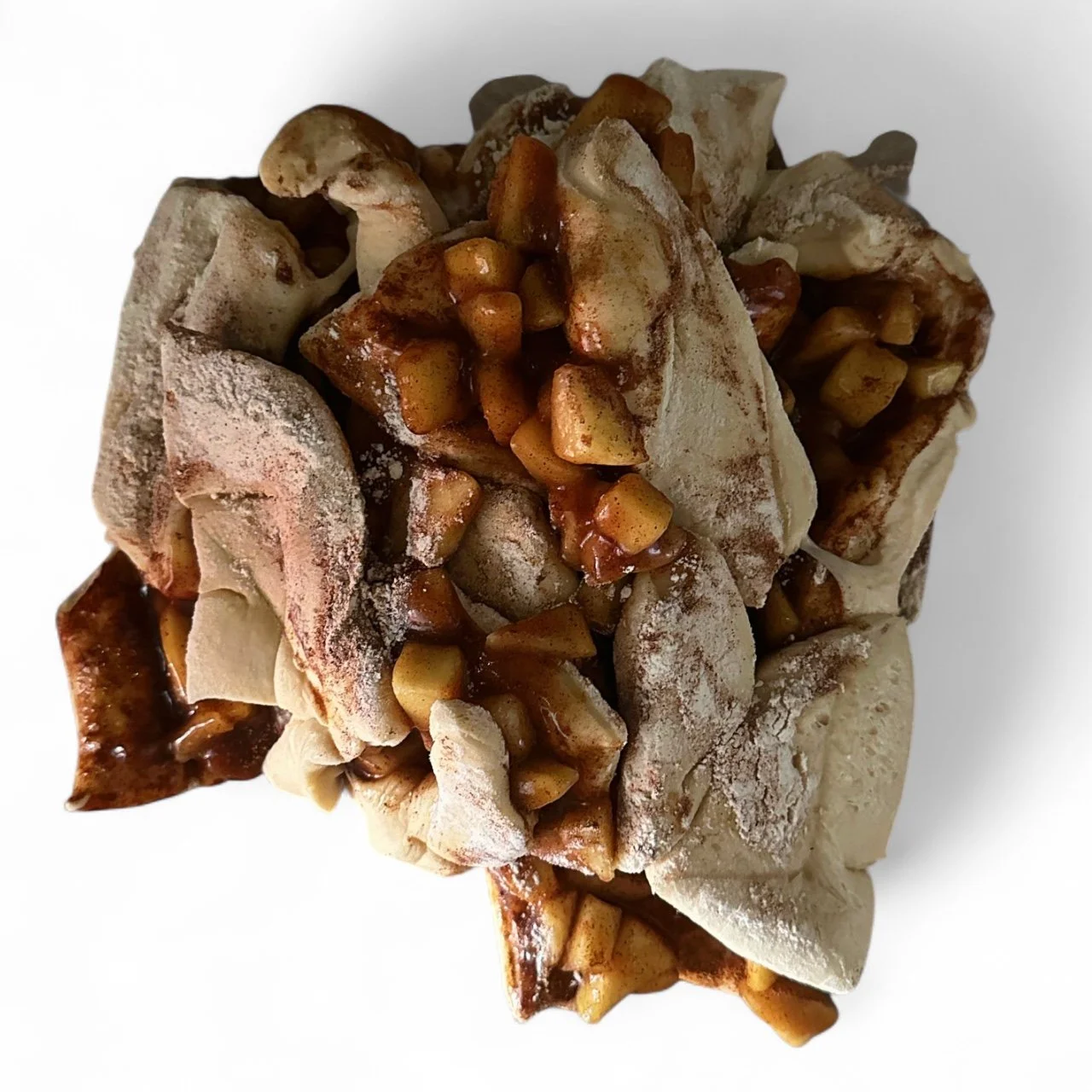 Image 6 of 17
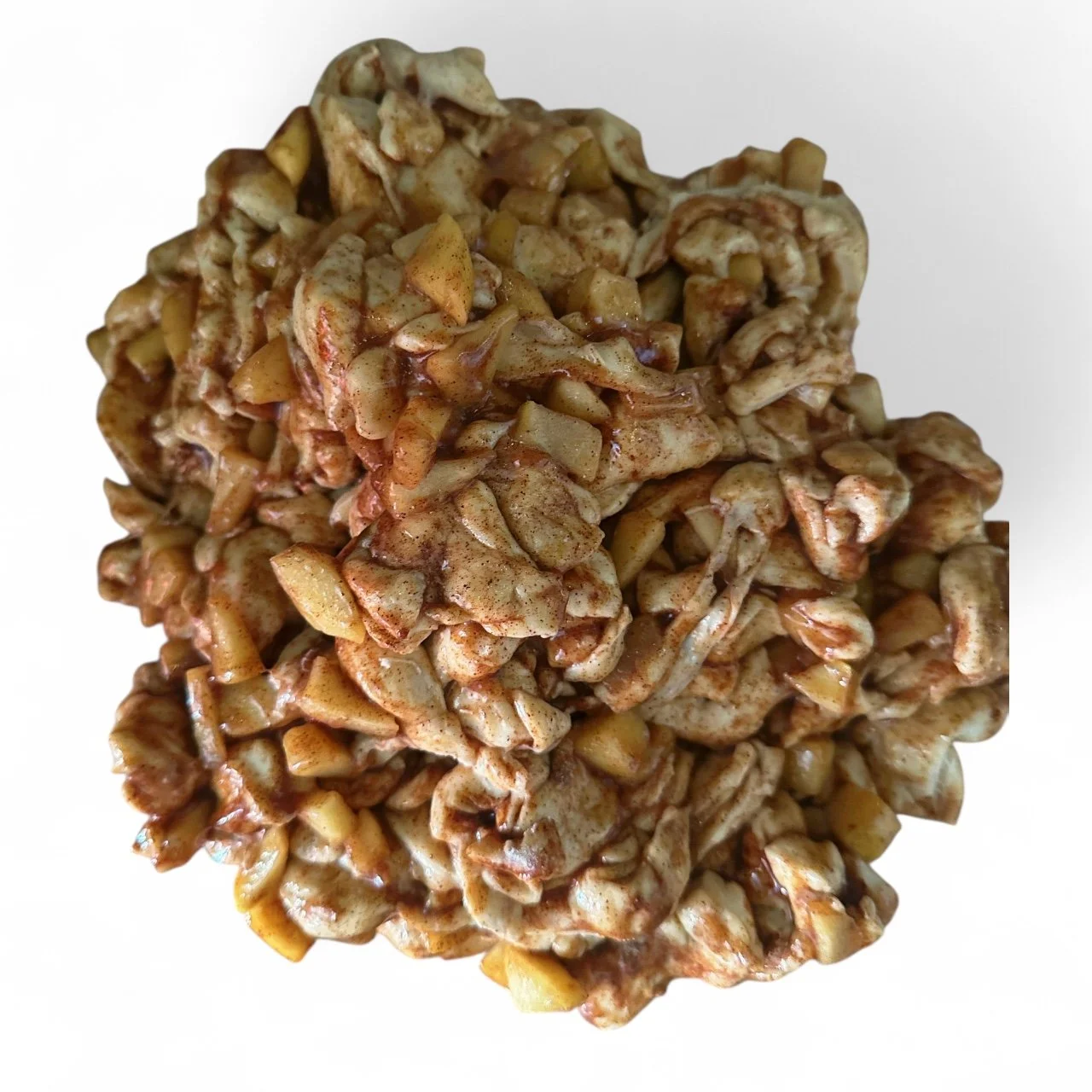 Image 7 of 17
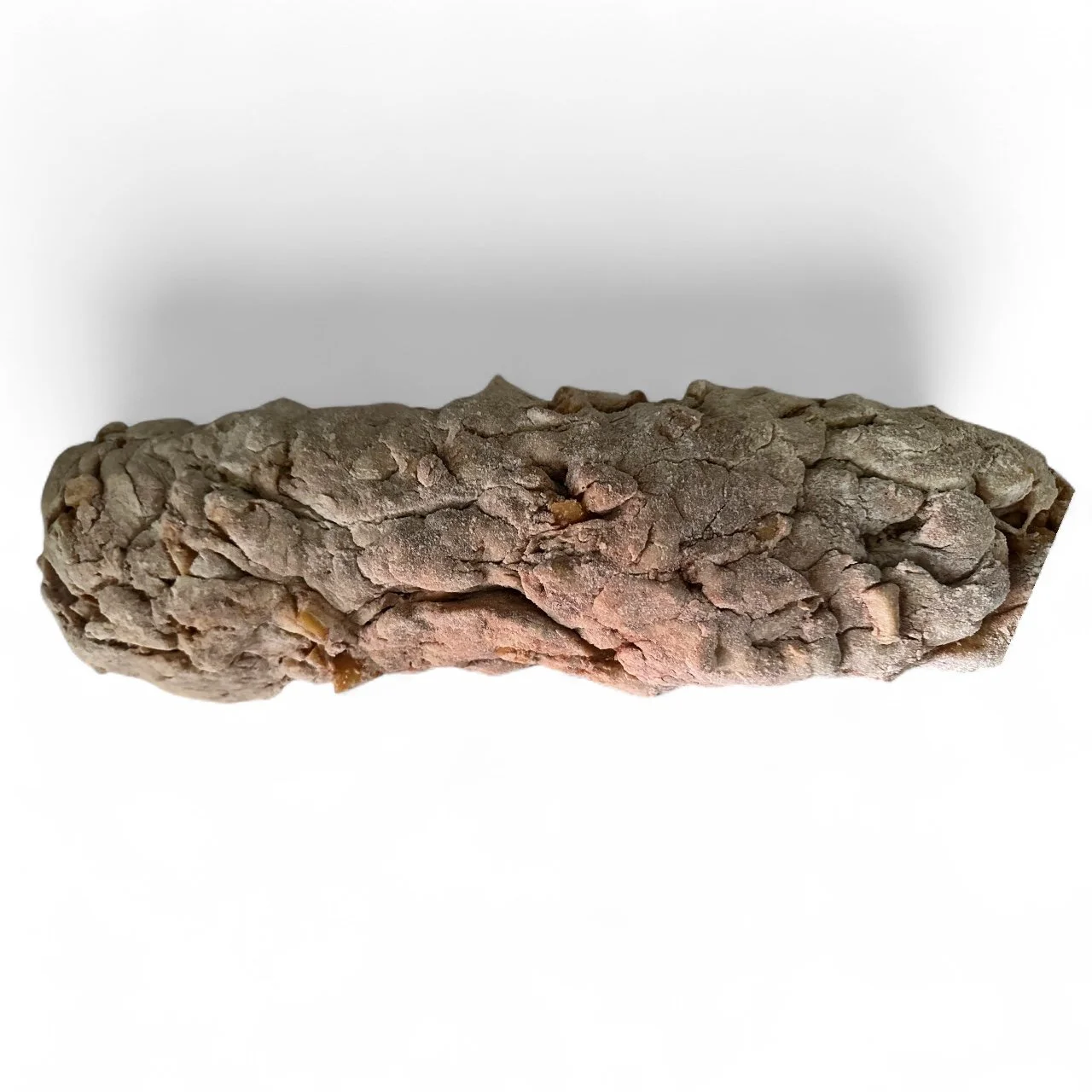 Image 8 of 17
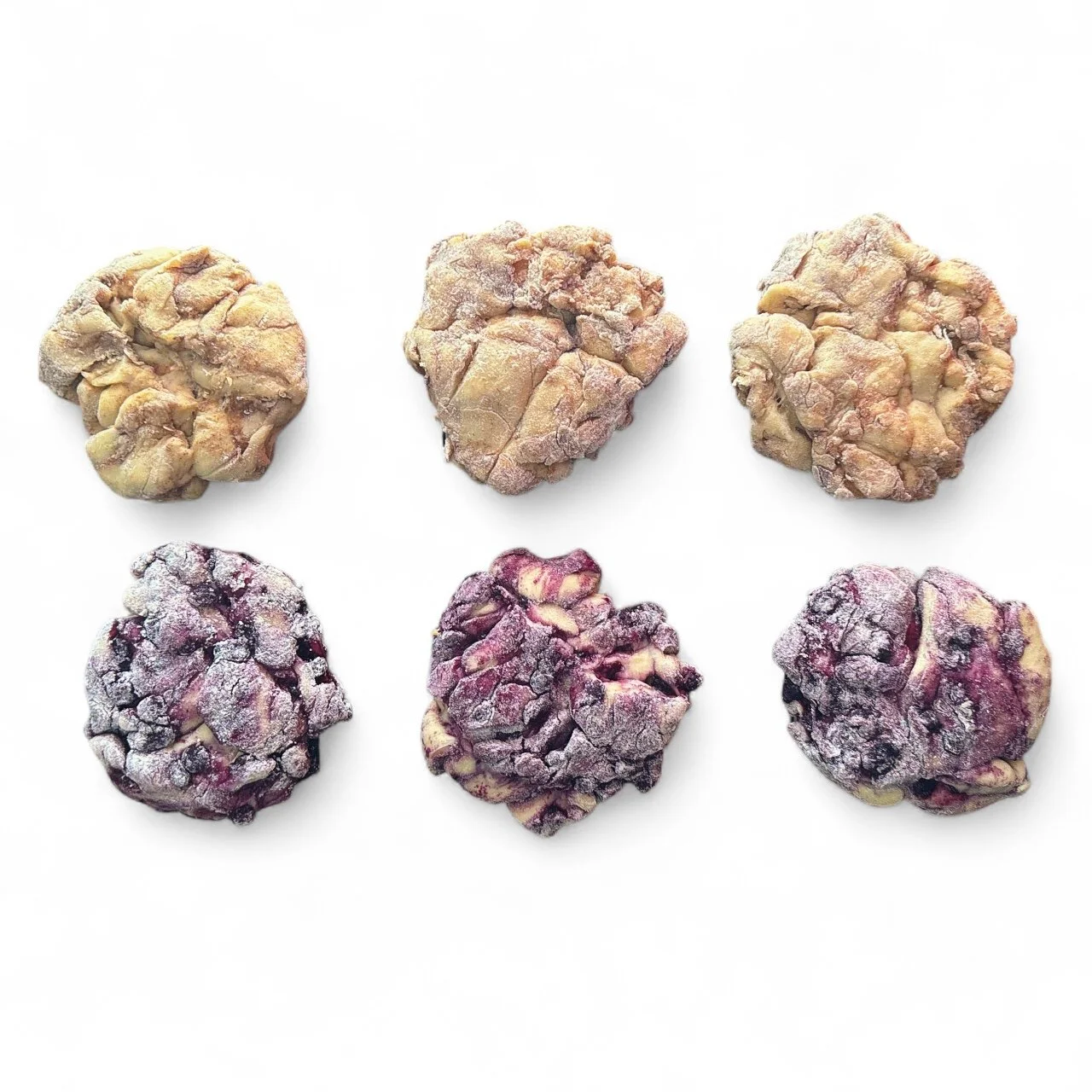 Image 9 of 17
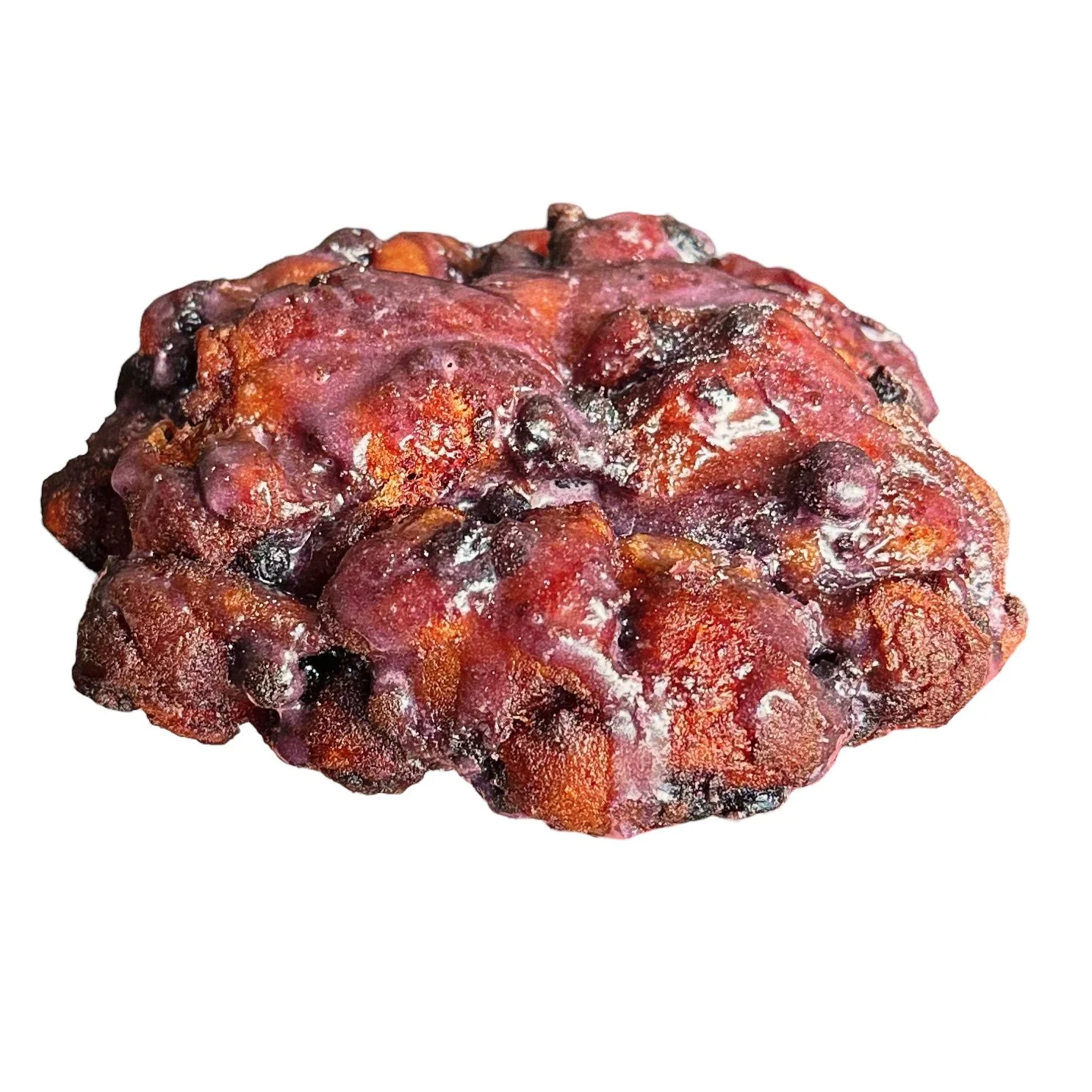 Image 10 of 17
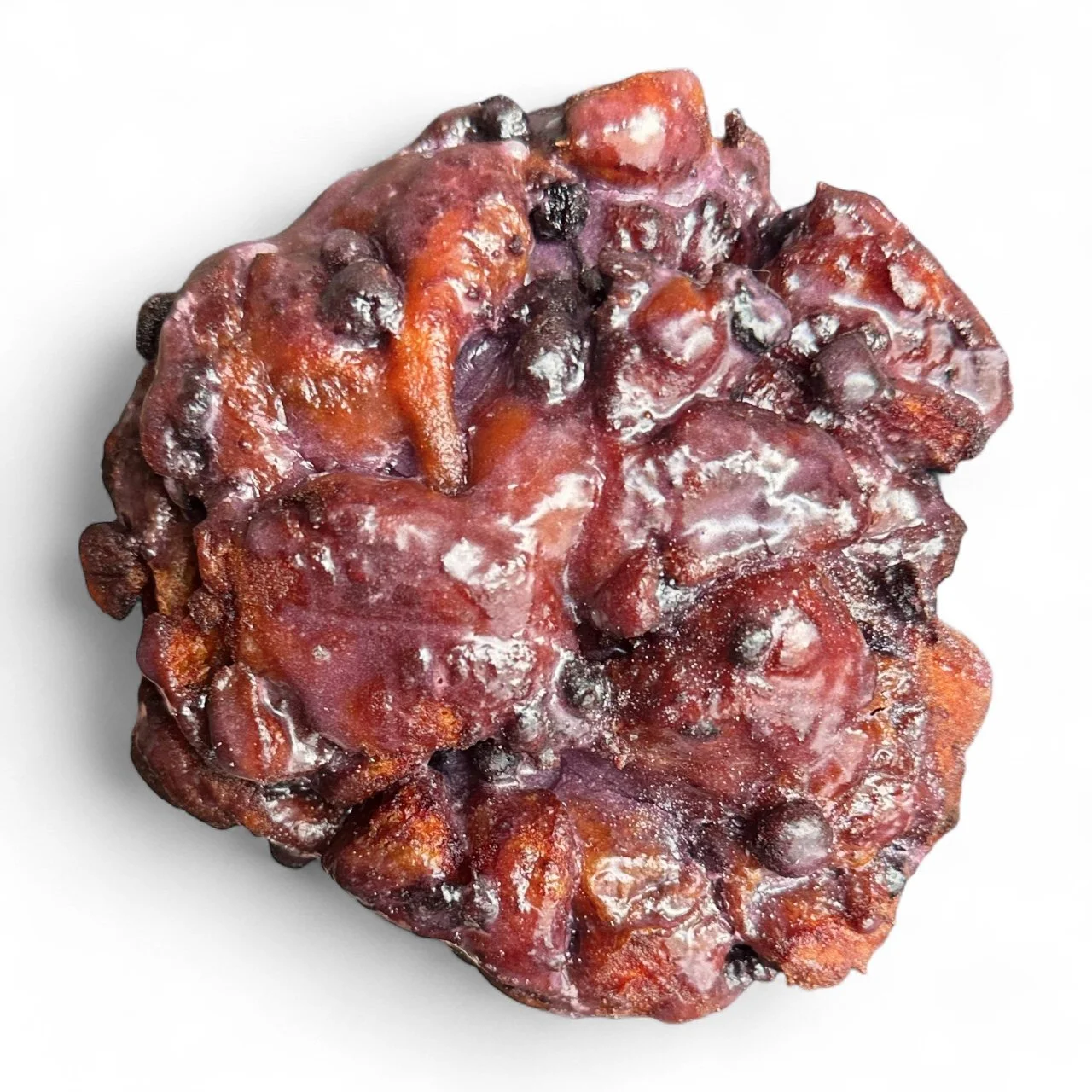 Image 11 of 17
 Image 12 of 17
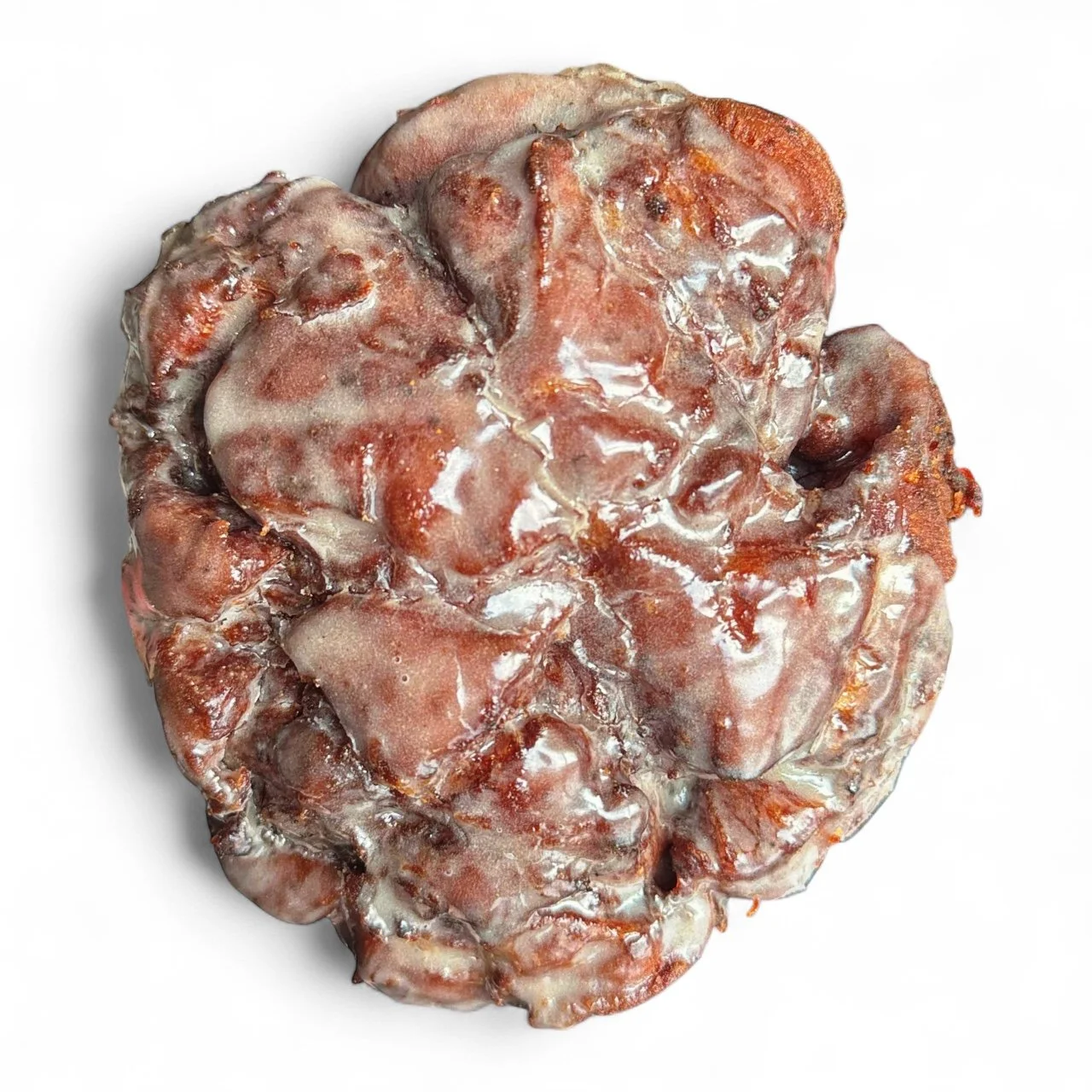 Image 13 of 17
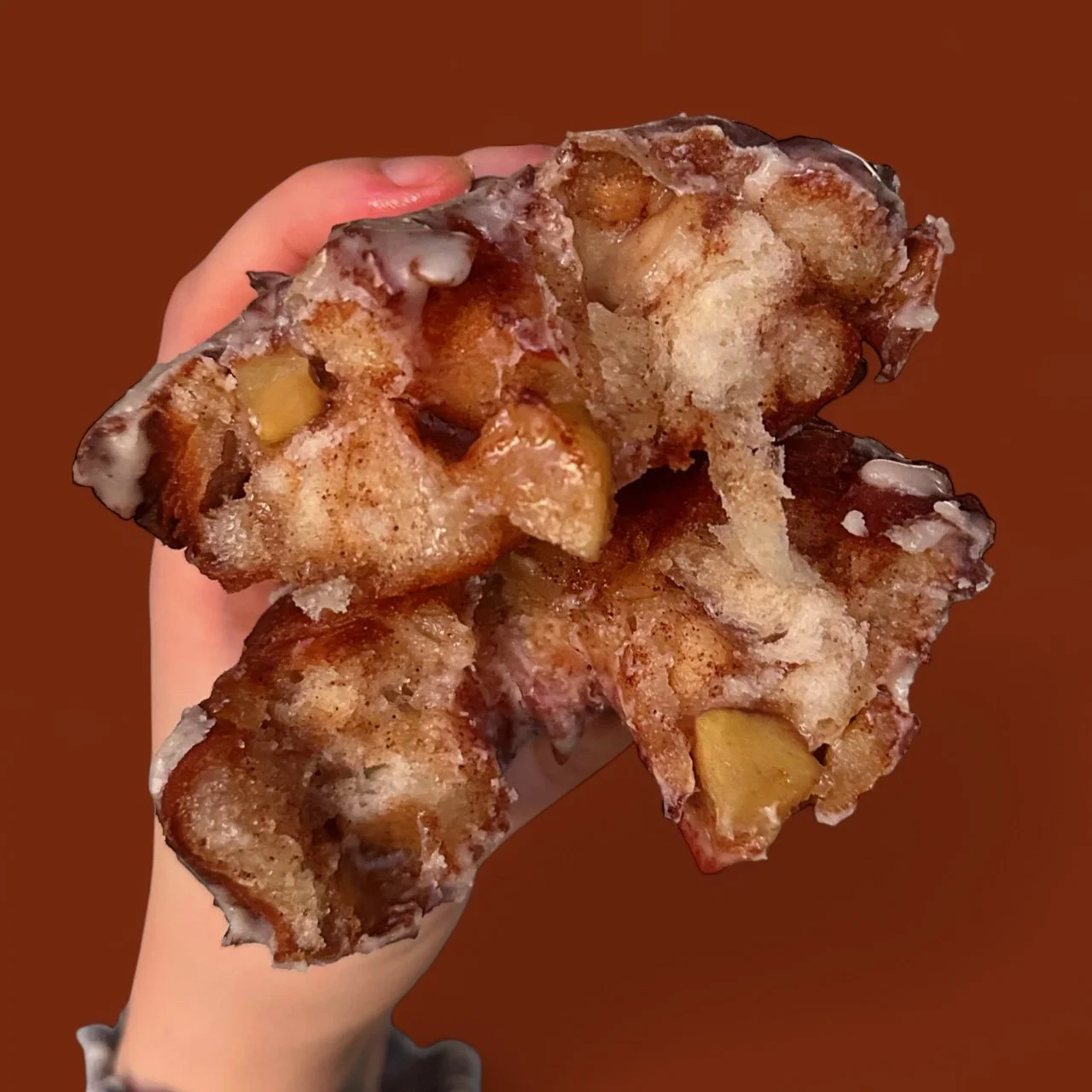 Image 14 of 17
 Image 15 of 17
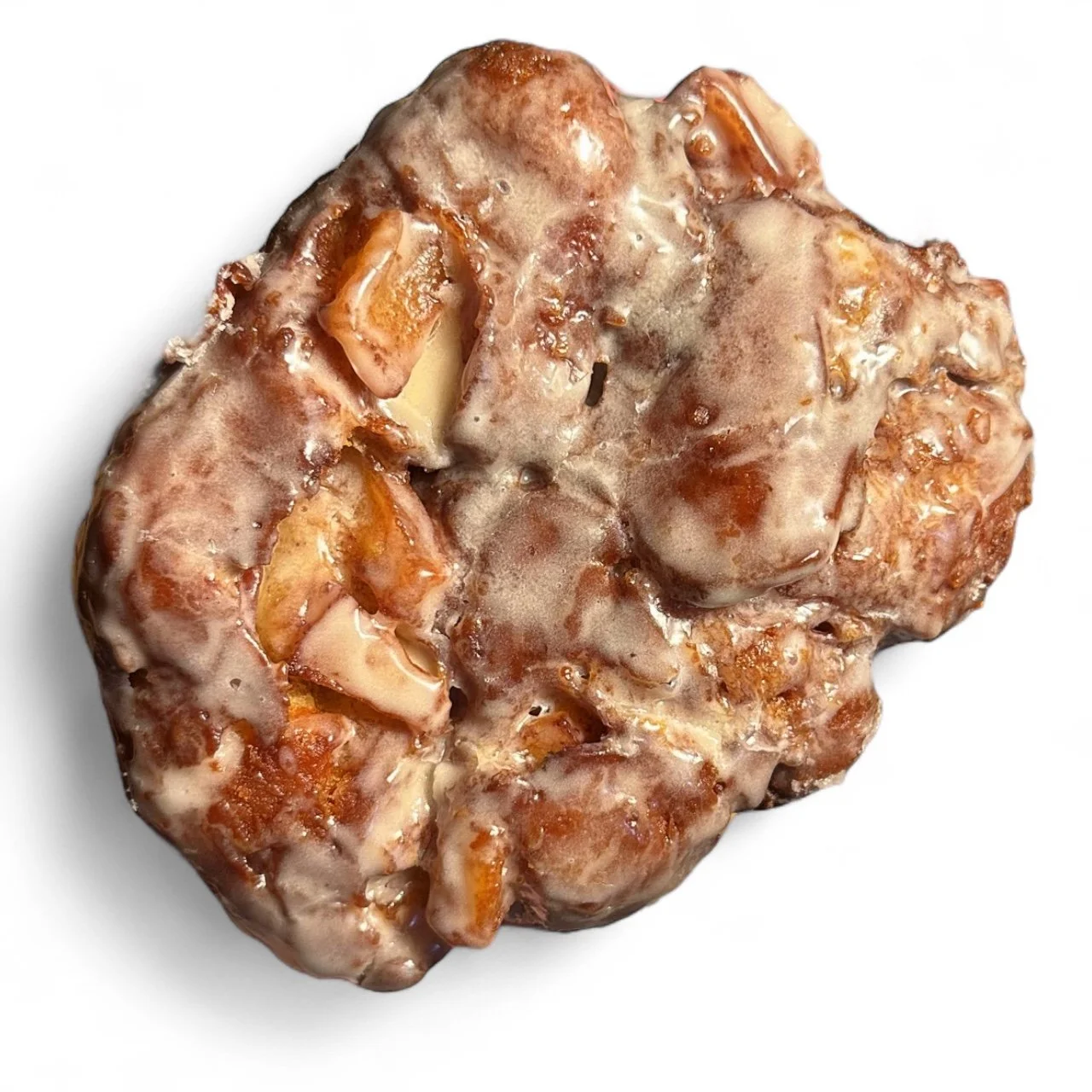 Image 16 of 17
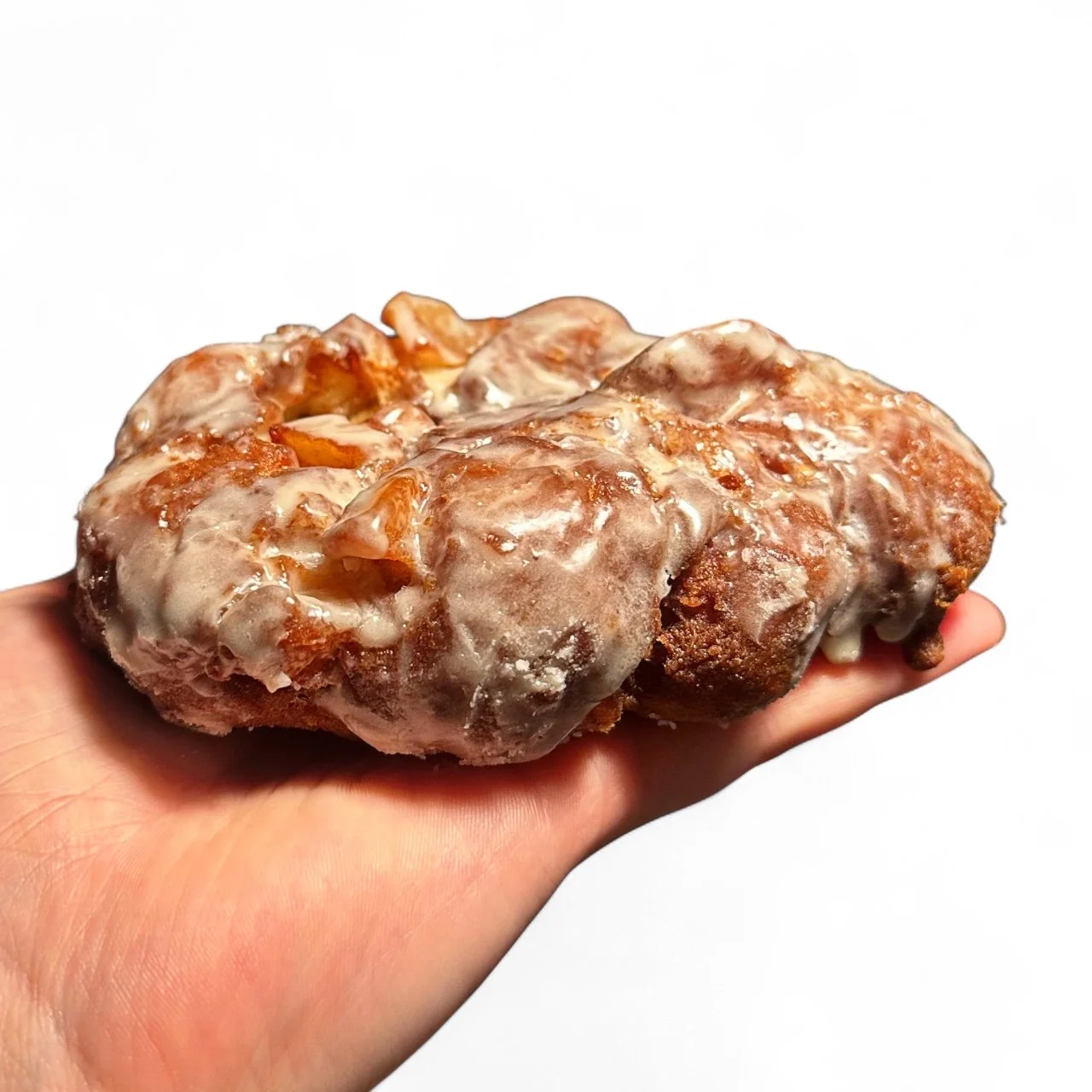 Image 17 of 17