Bakery-Style Quarter Sheet (9x13)
Includes Milk Soak & Signature Cream Cheese Frosting
This is my finalized red velvet sheet cake formula developed for a café setting, built intentionally as a thick 9x13 (quarter sheet) cake with a soft, plush, velvety crumb and a true bakery-style finish. This formula was built from the ground up with a specific product goal in mind: a red velvet cake that reads clearly in flavor, bright signature color, texture, and identity, while holding up as a consistent, repeatable product.
You’ll receive the full recipe file, written in my standard format, with gram measurements as the primary system and volume included as a courtesy. The file also includes notes, tips, and guidance to help you understand how the cake is meant to behave and how to get the intended result.
This is the same formula I developed and tested for a real bakery-style application, not just a one-time home bake.
Important – Vault Members
If you have access to the Vault, do not purchase this listing.
This formula, along with the full development breakdown and red velvet case study, is already included inside the Vault. This listing is for those who want the recipe file only, without the full engineering and case study content, and have not purchased Vault access. (If the vault access listing is still up in the market, then spots are still available.)
Understanding Red Velvet
Red velvet is one of the most misunderstood cake categories because people often reduce it to “chocolate cake with red color.” That is not a useful definition.
A proper red velvet cake should have a restrained cocoa presence. The cocoa should support the identity, not dominate it. The cake should still feel like red velvet even before frosting, which means the flavor profile should be soft, rounded, slightly tangy, and not overly dark or aggressively chocolate-forward. This is why cocoa level matters so much. Too little, and the cake may lose part of its identity. Too much, and it starts reading like a chocolate cake with red dye.
The dairy and acid system matter as well. Buttermilk and vinegar are not decorative ingredients. They contribute to both flavor and structure, and they are part of what gives red velvet its distinct profile.
And finally, the visual identity matters. Color is not superficial in a cake like this. It shapes expectation before the first bite.
Is This the Right Red Velvet for You?
This formula is designed for a classic, bakery red velvet that is soft and plush, not dense or heavy, lightly cocoa-based, not chocolate-forward, balanced with dairy and acidity, designed to pair with a rich cream cheese frosting and optional soak.
If you are looking for a deep chocolate red velvet, a very dark cocoa profile, or a cake that leans closer to chocolate cake in flavor, this may not be the direction you’re looking for.
If you want a red velvet that reads clearly as its own category, with a refined texture and a more professional finish, this is exactly what this formula is built to do.
Red Food Coloring & Natural Alternatives
This formula is written using red gel food coloring to achieve a consistent, recognizable red velvet appearance. Color is part of the identity of red velvet. It shapes expectation before the first bite and contributes to how the cake is perceived overall.
If You Prefer Not to Use Artificial Coloring
You can make this cake without red food coloring.
However, it is important to understand what will change. The cake will likely appear light brown to reddish-brown, not red. The visual identity will shift away from classic red velvet. The flavor and structure of the cake will remain intact
Natural Coloring Options
Natural color sources (such as beet powder or natural red dyes) can be used, but they come with limitations. Color is often less vibrant and less stable during baking. Some options may introduce subtle flavor changes. Results can vary depending on brand and concentration
If using natural coloring:
No-Color Version
If no coloring is used at all, the cake will read more as a light cocoa buttermilk cake rather than a traditional red velvet. This does not affect quality, only identity.
Usage & Rights
This file is for personal and business use only.
You may use this recipe to bake for yourself, clients or customers, or sell finished baked goods made from this formula
You may not:
share, distribute, or resell this file in any format
upload or post the recipe (in full or in part) publicly or privately (including social media, groups, or websites)
recreate, rewrite, or repackage this formula for sale or free distribution
teach, publish, or present this recipe as your own
This includes screenshots, copy/paste text, “slightly rewritten” versions, or converting into your own PDF, ebook, or class material.
Digital Product Policy
Due to the nature of digital products, all sales are final. Please read the listing carefully before purchasing.
Bakery-Style Quarter Sheet (9x13)
Includes Milk Soak & Signature Cream Cheese Frosting
This is my finalized red velvet sheet cake formula developed for a café setting, built intentionally as a thick 9x13 (quarter sheet) cake with a soft, plush, velvety crumb and a true bakery-style finish. This formula was built from the ground up with a specific product goal in mind: a red velvet cake that reads clearly in flavor, bright signature color, texture, and identity, while holding up as a consistent, repeatable product.
You’ll receive the full recipe file, written in my standard format, with gram measurements as the primary system and volume included as a courtesy. The file also includes notes, tips, and guidance to help you understand how the cake is meant to behave and how to get the intended result.
This is the same formula I developed and tested for a real bakery-style application, not just a one-time home bake.
Important – Vault Members
If you have access to the Vault, do not purchase this listing.
This formula, along with the full development breakdown and red velvet case study, is already included inside the Vault. This listing is for those who want the recipe file only, without the full engineering and case study content, and have not purchased Vault access. (If the vault access listing is still up in the market, then spots are still available.)
Understanding Red Velvet
Red velvet is one of the most misunderstood cake categories because people often reduce it to “chocolate cake with red color.” That is not a useful definition.
A proper red velvet cake should have a restrained cocoa presence. The cocoa should support the identity, not dominate it. The cake should still feel like red velvet even before frosting, which means the flavor profile should be soft, rounded, slightly tangy, and not overly dark or aggressively chocolate-forward. This is why cocoa level matters so much. Too little, and the cake may lose part of its identity. Too much, and it starts reading like a chocolate cake with red dye.
The dairy and acid system matter as well. Buttermilk and vinegar are not decorative ingredients. They contribute to both flavor and structure, and they are part of what gives red velvet its distinct profile.
And finally, the visual identity matters. Color is not superficial in a cake like this. It shapes expectation before the first bite.
Is This the Right Red Velvet for You?
This formula is designed for a classic, bakery red velvet that is soft and plush, not dense or heavy, lightly cocoa-based, not chocolate-forward, balanced with dairy and acidity, designed to pair with a rich cream cheese frosting and optional soak.
If you are looking for a deep chocolate red velvet, a very dark cocoa profile, or a cake that leans closer to chocolate cake in flavor, this may not be the direction you’re looking for.
If you want a red velvet that reads clearly as its own category, with a refined texture and a more professional finish, this is exactly what this formula is built to do.
Red Food Coloring & Natural Alternatives
This formula is written using red gel food coloring to achieve a consistent, recognizable red velvet appearance. Color is part of the identity of red velvet. It shapes expectation before the first bite and contributes to how the cake is perceived overall.
If You Prefer Not to Use Artificial Coloring
You can make this cake without red food coloring.
However, it is important to understand what will change. The cake will likely appear light brown to reddish-brown, not red. The visual identity will shift away from classic red velvet. The flavor and structure of the cake will remain intact
Natural Coloring Options
Natural color sources (such as beet powder or natural red dyes) can be used, but they come with limitations. Color is often less vibrant and less stable during baking. Some options may introduce subtle flavor changes. Results can vary depending on brand and concentration
If using natural coloring:
No-Color Version
If no coloring is used at all, the cake will read more as a light cocoa buttermilk cake rather than a traditional red velvet. This does not affect quality, only identity.
Usage & Rights
This file is for personal and business use only.
You may use this recipe to bake for yourself, clients or customers, or sell finished baked goods made from this formula
You may not:
share, distribute, or resell this file in any format
upload or post the recipe (in full or in part) publicly or privately (including social media, groups, or websites)
recreate, rewrite, or repackage this formula for sale or free distribution
teach, publish, or present this recipe as your own
This includes screenshots, copy/paste text, “slightly rewritten” versions, or converting into your own PDF, ebook, or class material.
Digital Product Policy
Due to the nature of digital products, all sales are final. Please read the listing carefully before purchasing.
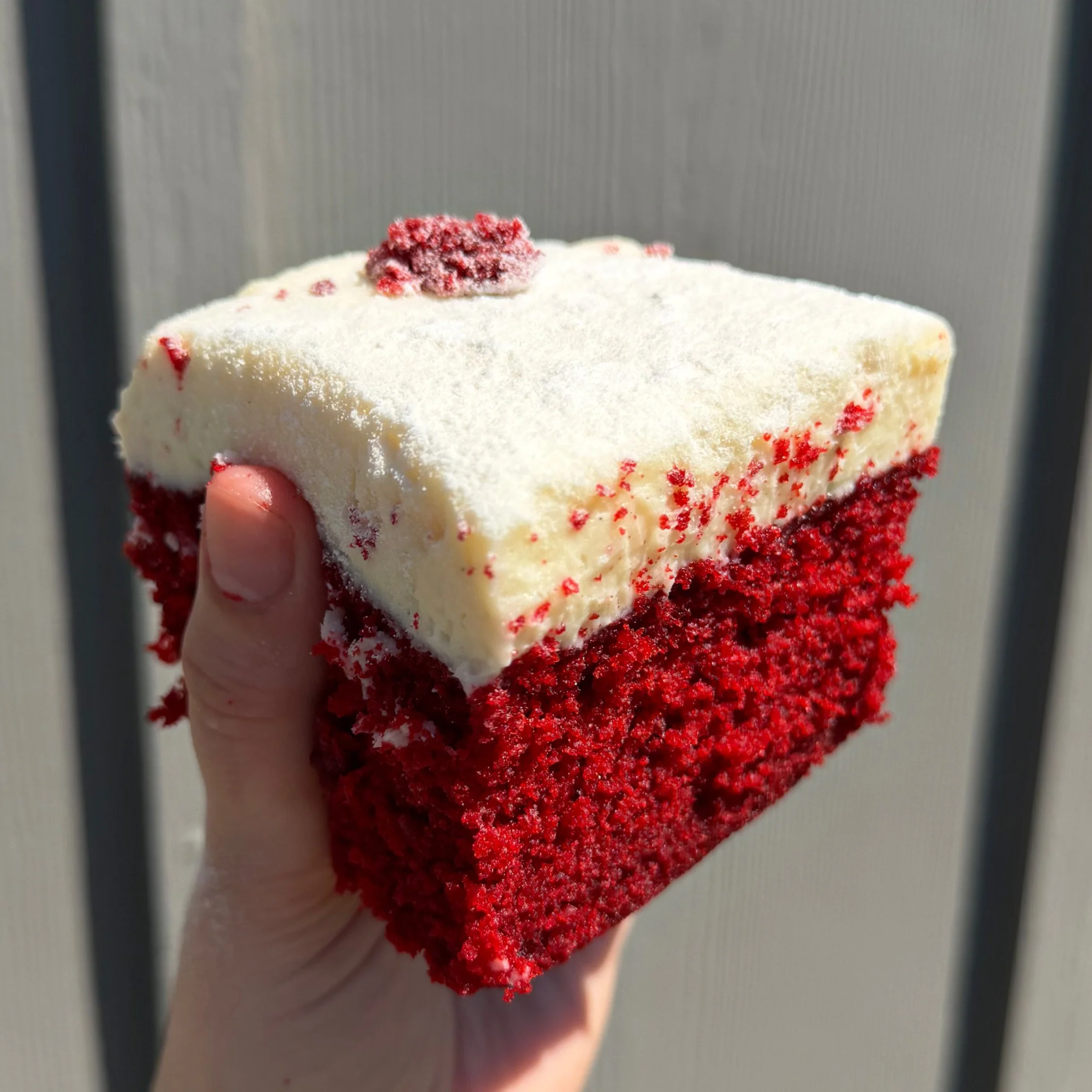 Image 1 of 7
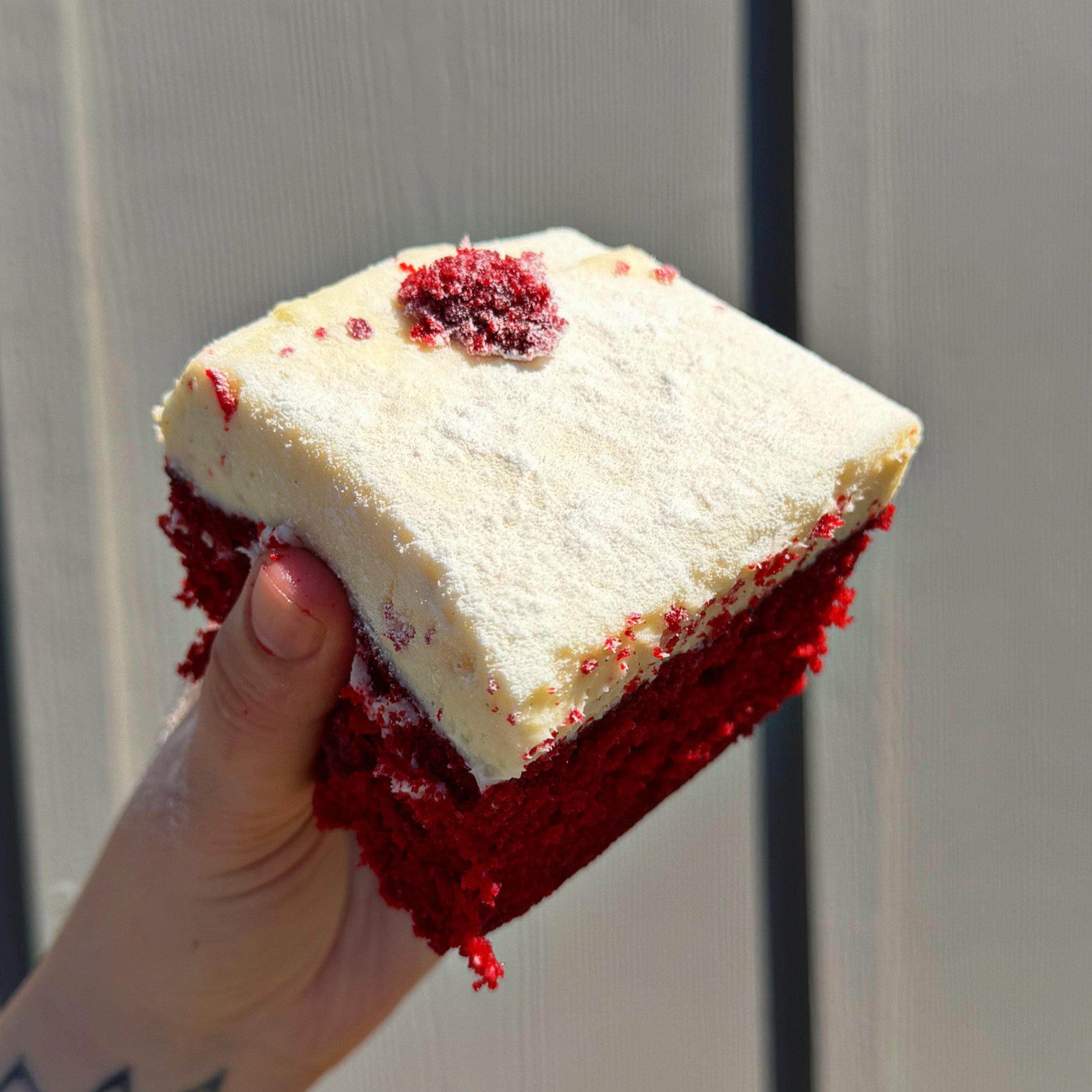 Image 2 of 7
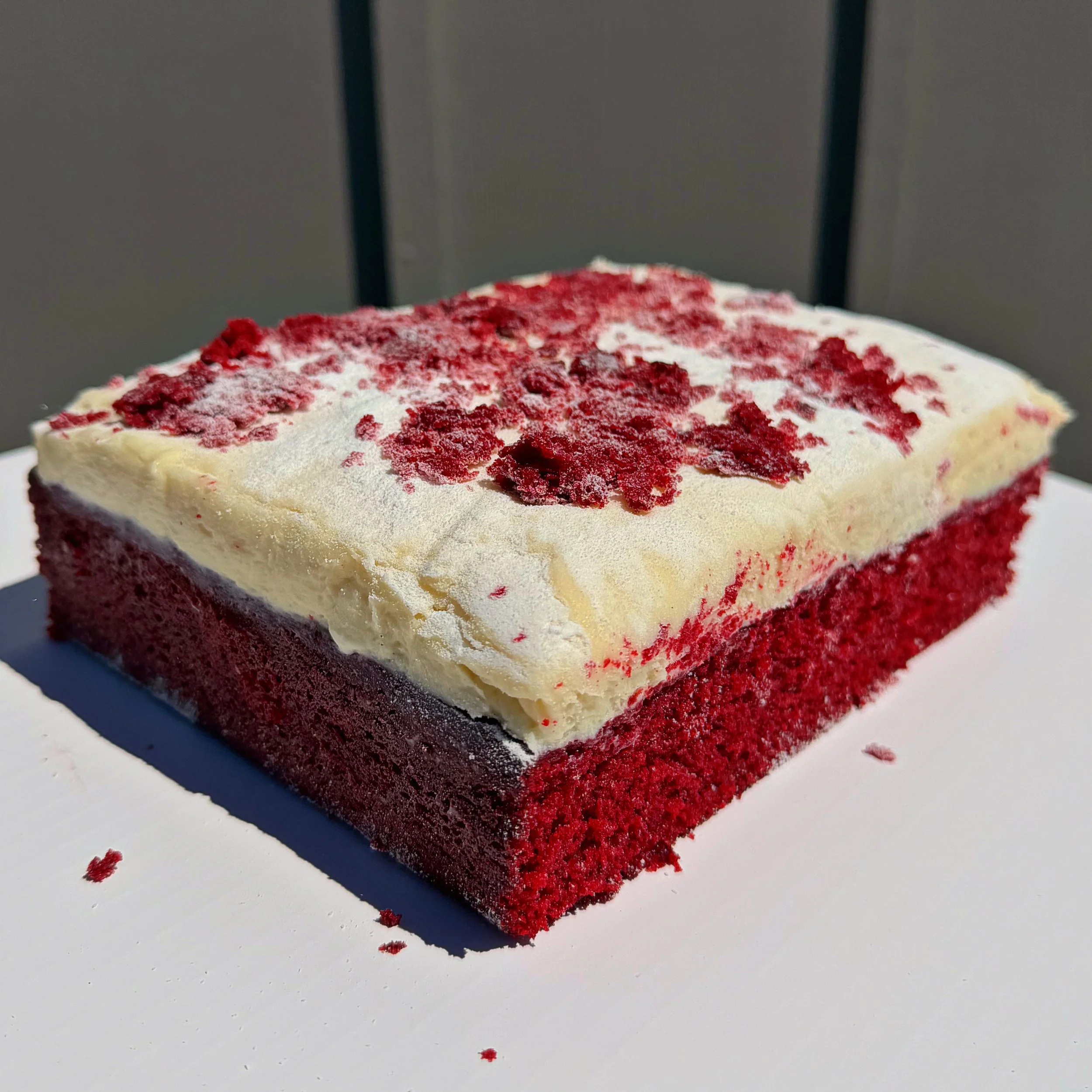 Image 3 of 7
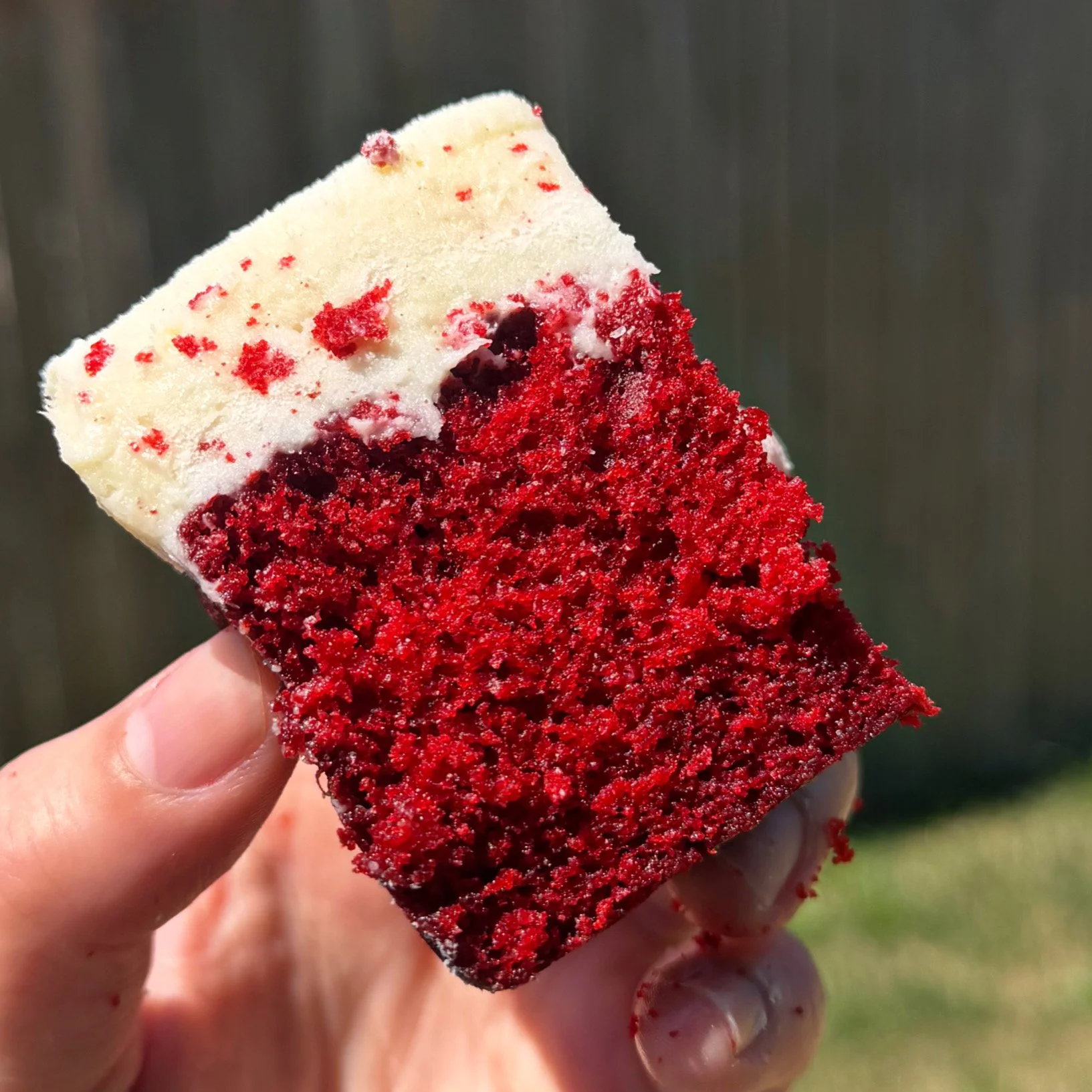 Image 4 of 7
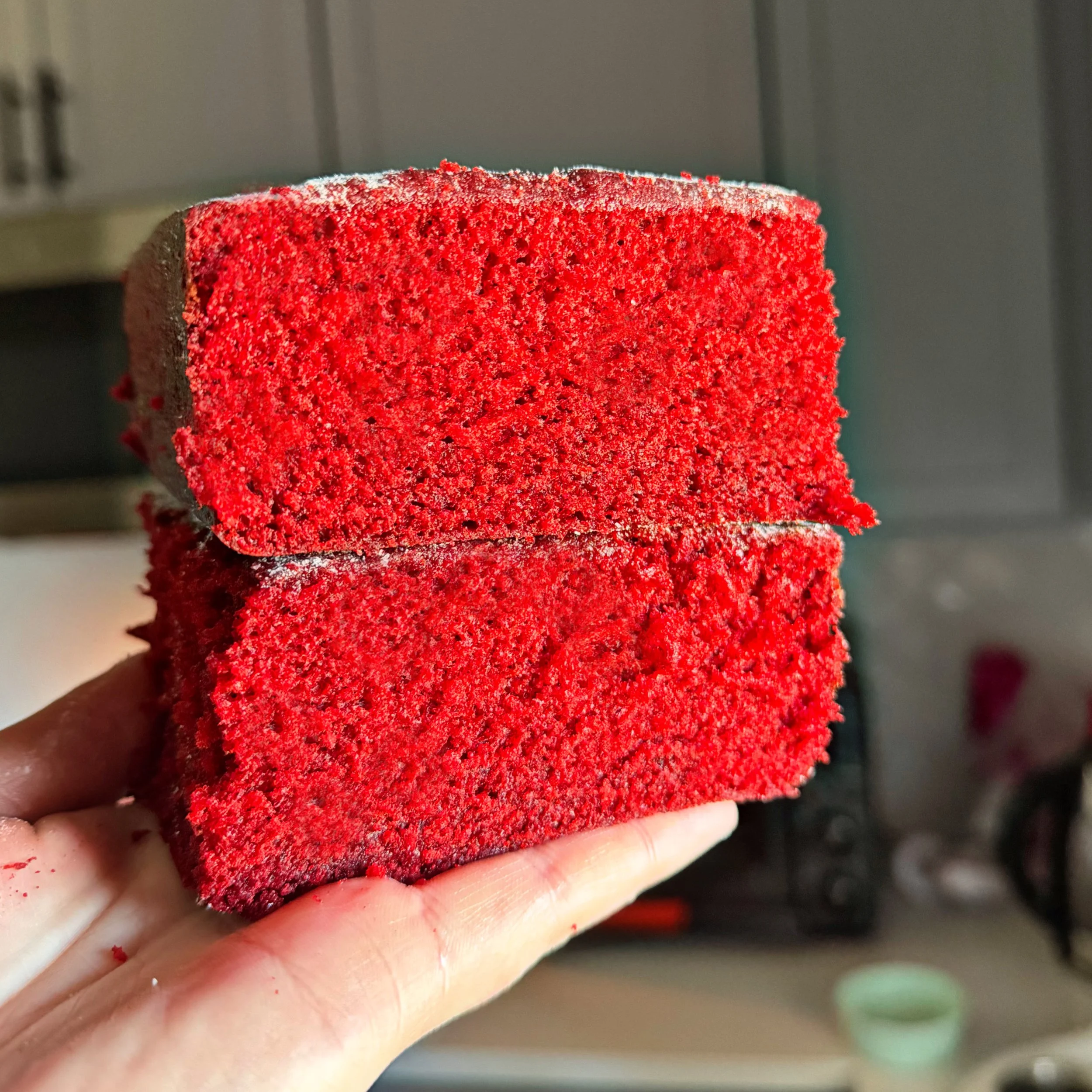 Image 5 of 7
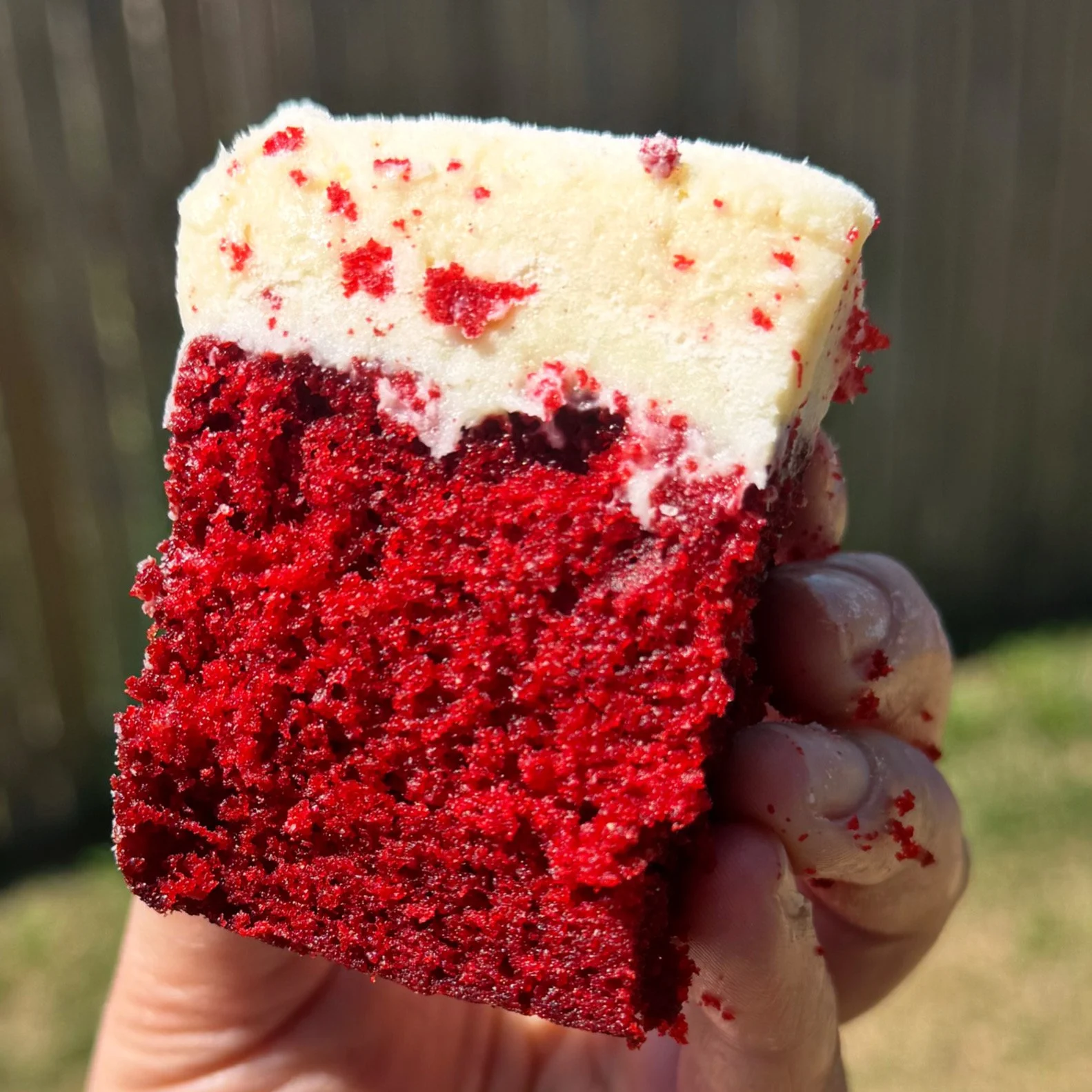 Image 6 of 7
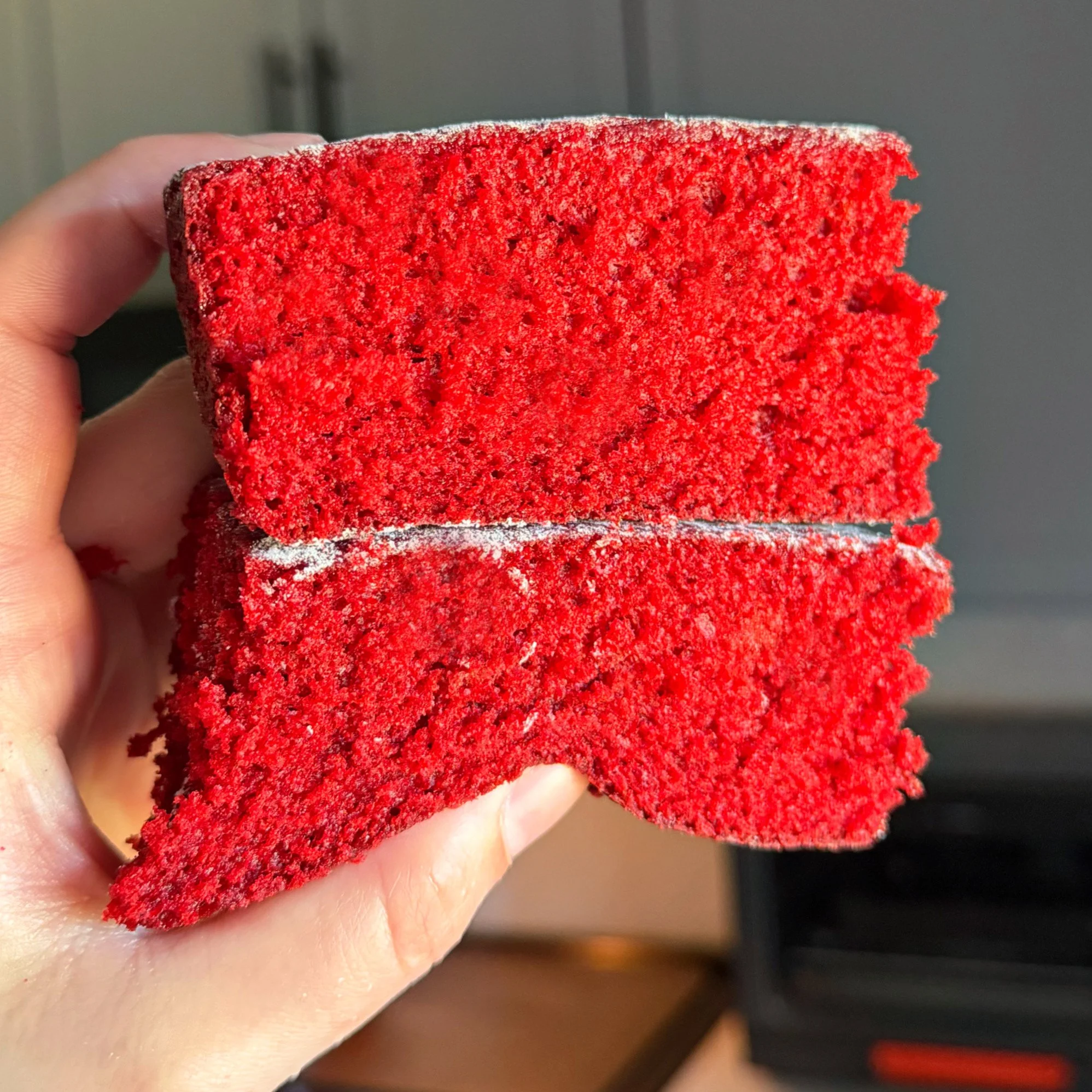 Image 7 of 7