Welcome to the Bakeshop Collection
The Bakeshop Collection is where you can find premium recipes baking guides, tips, and techniques made especially for members. Unlike the Market, this space is membership-based, so members get ongoing access to new recipe posts, behind-the-scenes methods, and professional baking resources as they’re released — all in a blog-style format you can browse at your own pace.
Members can simply scroll through posts or use the Index to find what they’re looking for.
If you’re not a member yet, clicking on any locked post will prompt you to Join the Collection and view the membership options.
New recipes and resources are added regularly, and you’ll have unlimited access to this growing collection for as long as your membership is active.
A Note on Gluten-Free & Dietary Recipes:
While I occasionally develop gluten-free or other dietary-specific recipes, they are not the focus of the Bakeshop Collection. Only a very small portion of my overall recipe development falls into gluten-free, vegan, or specialty-diet categories. When I do create those recipes, they will either appear as free content or be offered separately in the Market as proprietary items. The Bakeshop Collection is designed for my core bakery formulations and is not curated as a gluten-free, vegan, or dietary-specific resource.
Important: Your membership gives you access to the Bakeshop Collection, which is a growing library of recipes, guides, and resources created specifically for members. It does not include every proprietary or Market recipe past or present. Market recipes and bundles are separate products and are not automatically unlocked by a subscription. If you’re unsure whether a recipe is included in your membership, check the Collection Index to see exactly what your plan gives you access to.
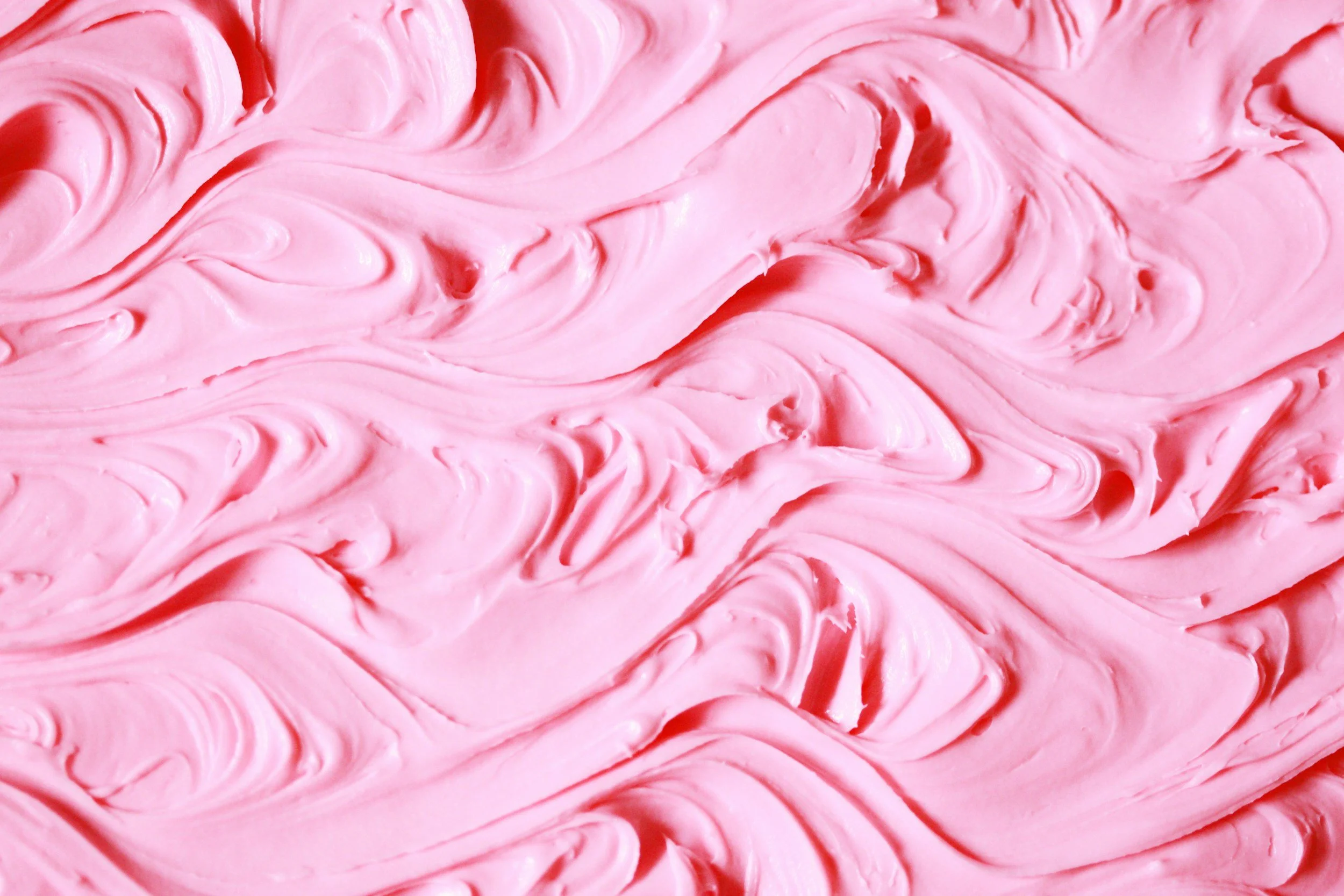
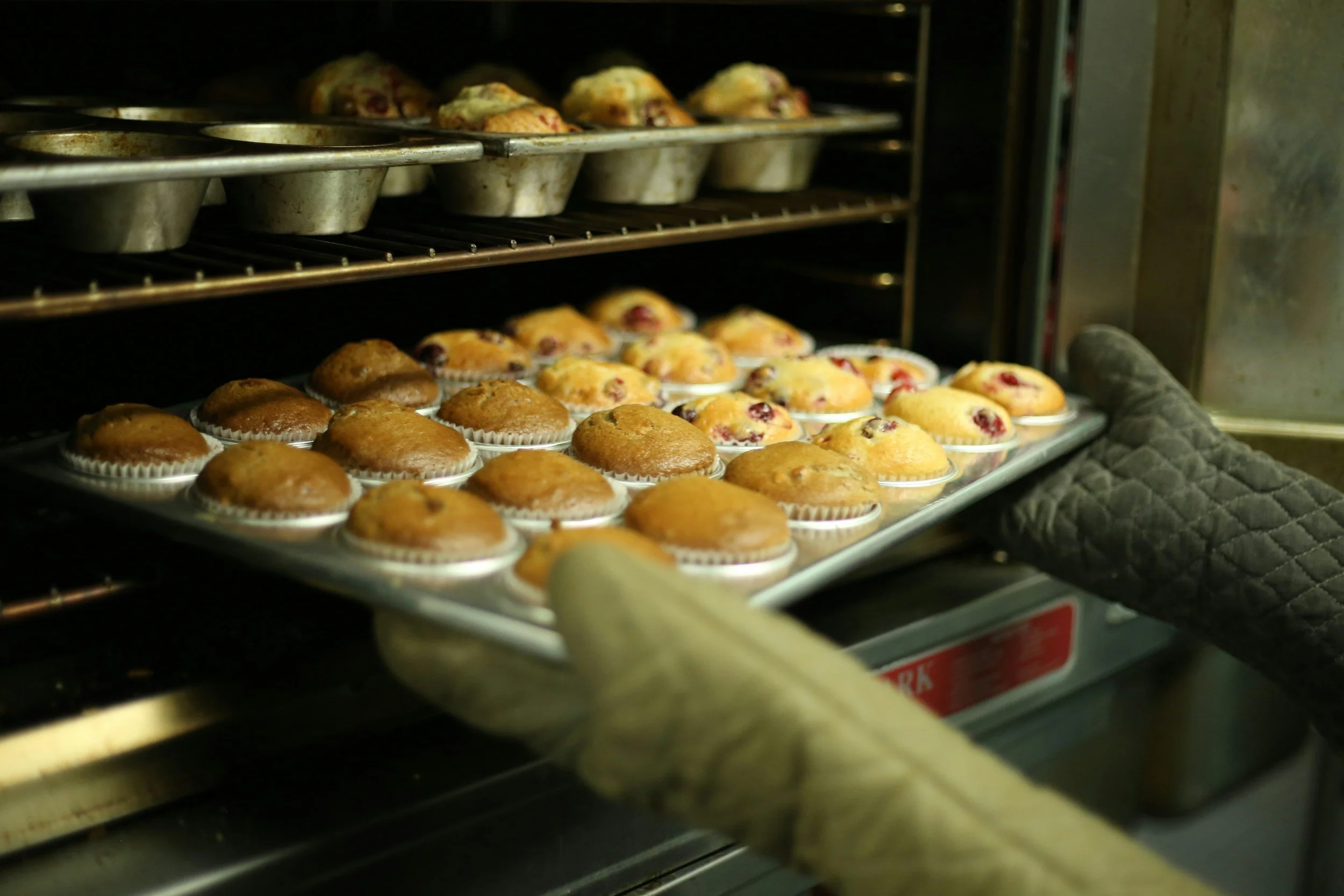
Muffins vs Cupcakes
“Aren’t muffins just cupcakes without frosting?” It’s one of the most common baking myths—and one of the most misunderstood. As a pastry chef, I’m here to break down why muffins and cupcakes are not interchangeable. From ingredient ratios and mixing methods to texture, sweetness, and structure, these two baked goods serve very different purposes. Whether you’re a home baker or a pro looking to refine your recipes, this guide walks you through the real science and artistry behind muffins vs cupcakes—and how to tell (and bake) the difference.

Professional Baker’s Guide to Butter
What to use, when to splurge, how it changes flavor, texture, and performance
Butter isn’t just “fat” in a recipe—it’s structure, aroma, color, and mouthfeel. Choosing the right style (sweet-cream vs. cultured, 80% vs. 84% fat, salted vs. unsalted, grass-fed vs. conventional, European vs. American) will visibly change lamination lift, cookie spread, cake crumb, buttercream stability, ganache texture, and even shelf life. Below is a practical, chef-level guide to the most common butters you’ll encounter in the U.S. and Europe, why professionals reach for each one, and how to adjust formulas to get consistent results.

DIY Pastry Flour
Pastry flour is a soft wheat flour with a moderate protein content, typically around 8–9%, which places it right between cake flour (6–8%) and all-purpose flour (10–12%). This balanced protein level gives pastry flour its unique ability to produce baked goods that are:
Tender and soft without being too fragile
Stable enough to hold delicate shapes and structure
Finely textured for a refined, bakery-style crumb
Unlike cake flour, it has just enough strength to provide structure without toughness. And unlike all-purpose flour, it yields a finer, more melt-in-the-mouth texture.

Mimicking Cream Cheese Frosting
For cottage bakers, the reality is that true cream cheese frosting falls under TCS (time/temperature control for safety) — meaning it’s not legally considered shelf-stable in most states.
So how do we recreate that same nostalgic flavor, safely, legally, and convincingly, without using real cream cheese?
Between my own experiments, research, and the feedback I’ve gathered, the consensus has been consistent
The cream cheese emulsion can taste overly sharp or artificial when used in unbaked frostings or glazes, but works fine in small amounts in batters or baked desserts.
The cheesecake emulsion is much smoother and more balanced, especially when paired with vanilla or butter emulsions.
This post is a deep dive into how to build cream cheese flavor from scratch using emulsions, extracts, acid balance, and fat perception. It’s the kind of layered approach that separates professional bakery formulation from the copy-paste recipes floating around the internet.
I’ll also touch on why I don’t recommend cream cheese powder for cottage baking, This topic is touched on in the Cottage “Build Your Own” Glazes and Frosting System, but wanted to make an accessible guide for this as a stand alone.

Deep Dive into Pumpkin Flavor
Every year when pumpkin season rolls in, there’s this rush of recipes, like pumpkin bread, pumpkin cookies, pumpkin cheesecake, but few people stop to ask what “pumpkin flavor” actually is. Is it the pumpkin itself? The spices? The brown sugar? The texture? As a baker, that question is worth unpacking, because pumpkin can be a texture modifier, a moisture agent, and a flavor carrier all at once — and learning how to balance those roles is what separates a good pumpkin bake from a great one.

Quick Guide to Flavoring Desserts
In the professional kitchen, flavoring goes far beyond using vanilla extract. We work with pastes, emulsions, oils, infusions, zests, spices, concentrates, syrups, and natural compounds—each with its own properties, solubility, and impact on texture, structure, and overall sensory experience.
Understanding how flavor interacts with fat, sugar, and liquid systems is what separates a home recipe from a professional one. Below is a guide to the most common types of flavoring used in pastry, how to choose them, and how to adapt based on your formula.


