Meltaway Breadsticks
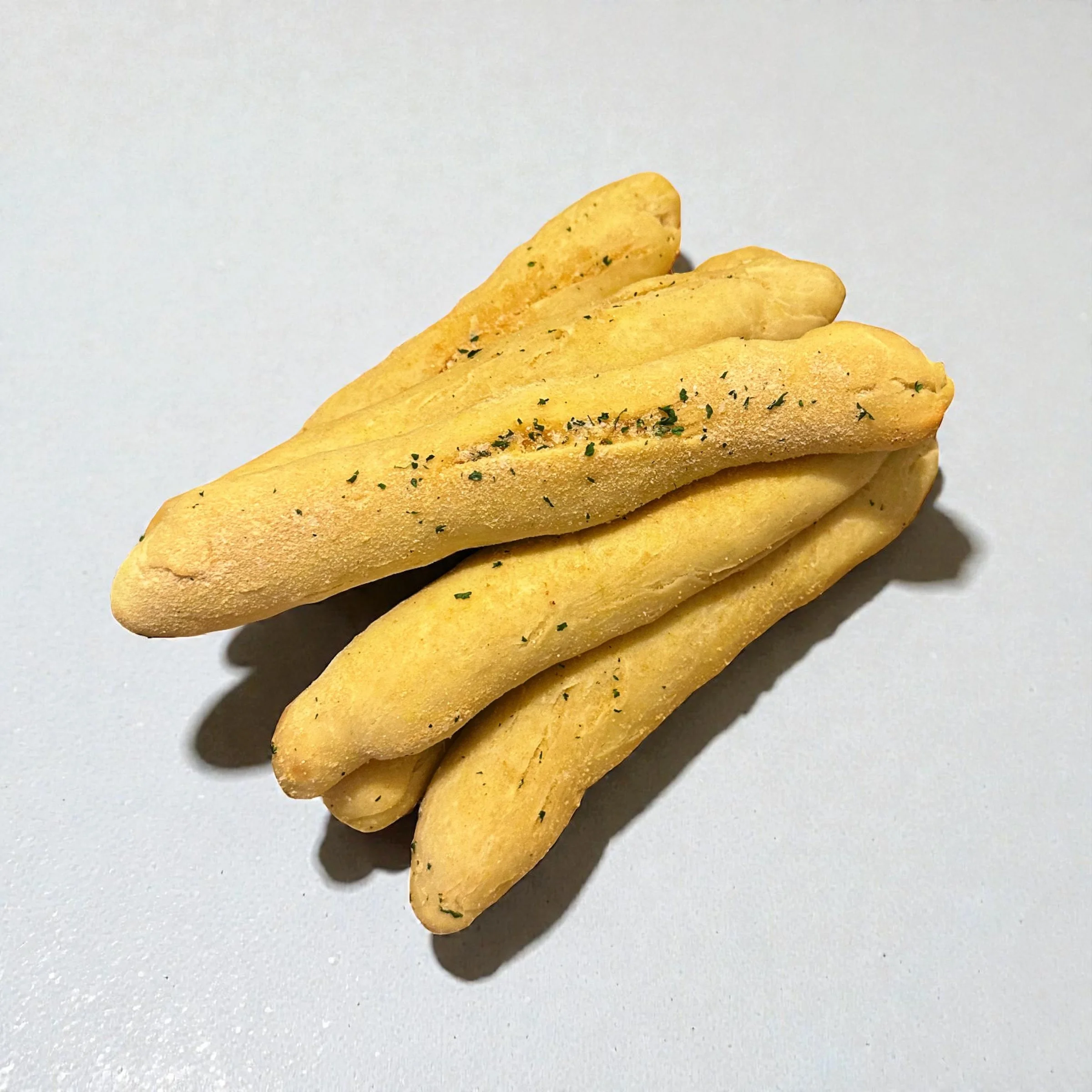
If you grew up loving those soft, buttery garlic breadsticks, assuming you got a good batch from Olive Garden restaurants, then this recipe brings that nostalgic experience home—but elevated with true bakery technique. These are rustic in appearance yet unbelievably tender inside, thanks to a carefully balanced dough made with bread flour, potato flour, and honey for long-lasting softness. They’re brushed with my signature butter-oil glaze inspired by restaurant finishing methods, giving them that glossy look and melt-in-your-mouth texture. Simple, comforting, and irresistibly soft, these breadsticks are the kind you make once and immediately add to your permanent rotation.
NOTES & TIPS
DOUGH SCIENCE & DEVELOPMENT
1. Potato Flour for Pillowy Softness
Potato flour increases water-binding capacity dramatically. Potato flour is far more powerful than AP flour or cornstarch — do not increase the amount, or the dough will become gummy.
2. Honey Helps Softness
Honey acts as a natural humectant, keeping the interior plush and moist hours after baking. It also helps the sticks take on light color without browning too quickly.
3. Egg White Adds Structure Without Chew
Using only the white provides enough protein structure to maintain shape but avoids the “chewier” texture that happens when using whole eggs.
4. Why This Dough Should Be Tacky
A tacky dough traps more moisture for softer breadstick.
If the dough feels dry or stiff, the end texture will be tighter and less pillowy.
Do not over-flour.
Use oil on your hands instead of flour when handling, if needed.
MIXING & KNEADING
5. Fully Incorporate Butter at the End
Butter added too early prevents gluten formation. Adding it after gluten begins developing keeps the crumb tender while still allowing good structure.
6. Mix Until Silky
The dough should look shiny, smooth, and flexible.
If it looks tight or dense, add 1–2 tsp warm water and mix 1–2 minutes more.
RISE & PROOFING CONTROL
7. Do Not Overproof
Restaurant-style breadsticks are intentionally under-proofed compared to artisan breads. If they double in size, they will bake too airy and brown too fast.
8. Climate Tip: Warm Kitchens Proof Faster
If your kitchen is above 75°F (24°C), expect a shorter proof.
If your dough is rising too quickly, refrigerate for 10–15 minutes to slow fermentation.
SHAPING & TEXTURE TIPS
9. You can ADD a 10-Minute Bench Rest
You can portion the breadsticks in balls and rest before shaping into ropes. This prevents tight dough that resists rolling and tears. This results in smoother sticks and a better “restaurant look”.
10. Roll With Minimal Flour
Flour prevents the dough from gripping the table, making shaping uneven.
A tiny dusting is enough.
11. Length Matters
7–8 inches (18–20 cm) is ideal for the classic breadstick look.
Longer for thinner, crispier sticks
Shorter for chubbier, softer sticks
BAKING
12. Bake Pale on Purpose
The signature Olive Garden-style breadstick is not browned.
Baking light creates a soft, tender crust instead of a firm one.
If they’re browning too fast: Lower temp to 190°C (375°F). Move tray up a rack. Shield the top with foil in extreme cases.
13. Internal Temperature Matters
Target 88–90°C (190–194°F) for the ideal texture.
Above 95°C (203°F) and the crumb becomes dry
Below 85°C and you get gummy interior
BUTTER OIL & SEASONING TIPS
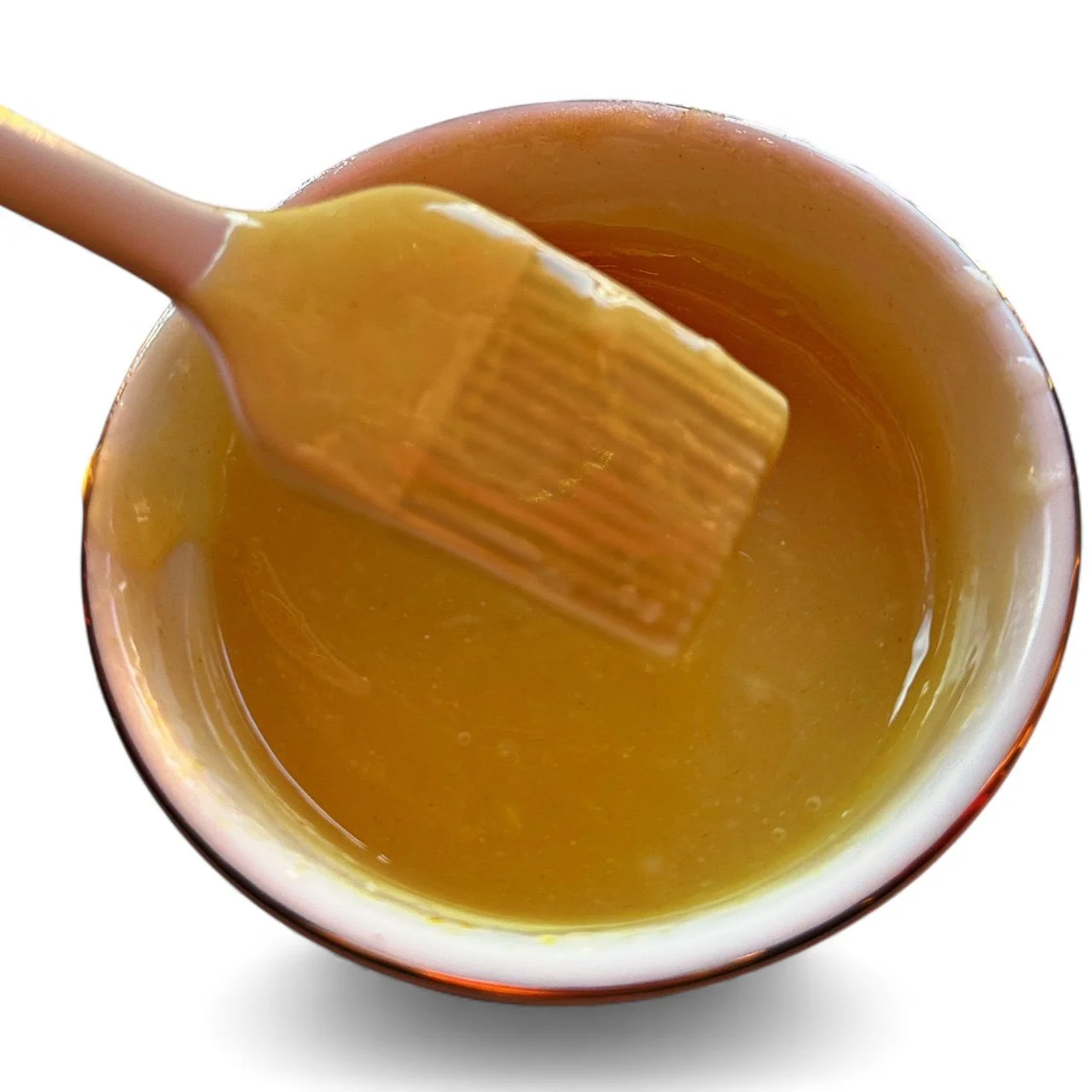
14. Ghee & Oil IS the Closest to Restaurant Butter Oil
Restaurants use a butter flavored soybean oil product.
STORAGE & BUSINESS TIPS
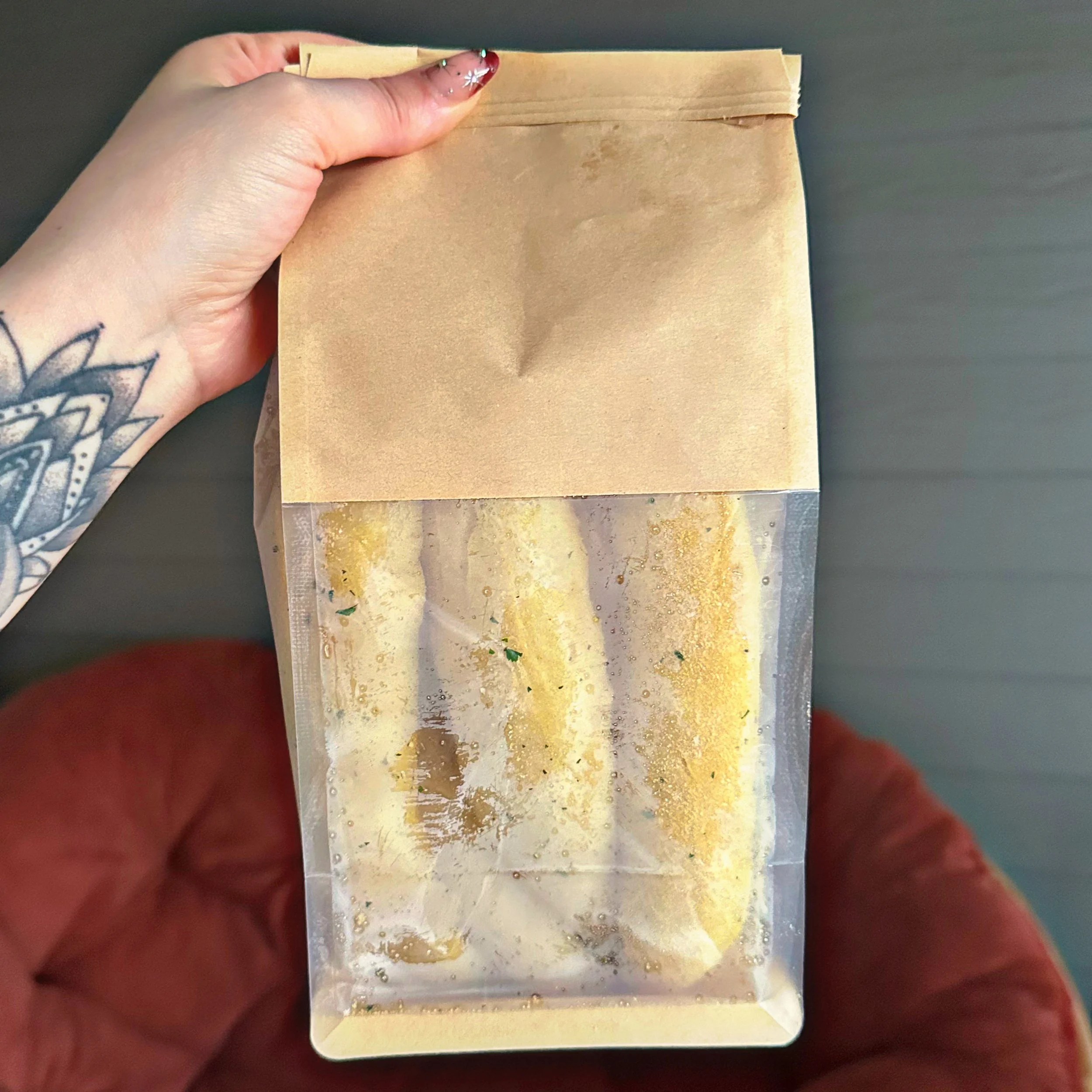
For Meal Prep or Restaurant Use: Re-Glaze
Breadsticks dry out quickly when reheated unless butter oil is added again.
Restaurants always re-brush before serving — you should too.
Freezing Tips
A. Freeze unbaked shaped sticks
Freeze tray 1 hour
Bag airtight
Thaw 30–40 minutes
Proof 20 minutes
Bake as normal
B. Freeze baked sticks
Cool completely
Wrap individually
Reheat covered at 300°F (150°C) add butter oil after
Scaling for Business
For high-volume production: Use a dough divider for even weight. Keep dough covered at all times to prevent crusting. Keep butter oil warm in a squeeze bottleSeason immediately after glazing
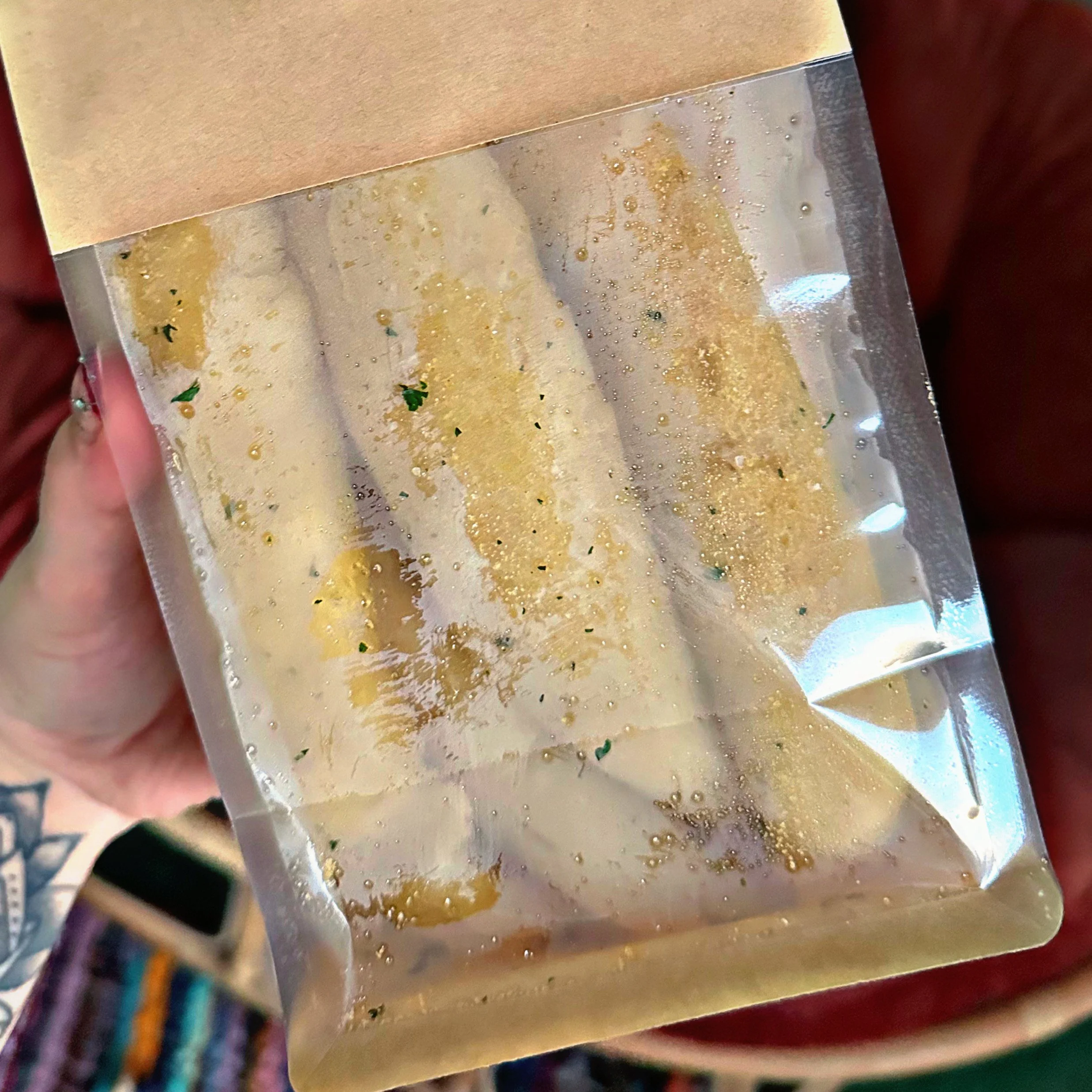
Ingredient Notes: Flour & Potato Flour
For this recipe, I use King Arthur bread flour, which has a reliable protein level and gives these breadsticks the perfect balance of structure and tenderness. Different brands of bread flour can vary in strength, so if you use a lower-protein brand, your dough may feel softer or require a tiny adjustment in hydration. King Arthur’s consistency helps ensure the dough kneads properly and bakes up with that signature pillowy interior.
I also use Bob’s Red Mill Potato Flour — not to be confused with potato flakes or instant mashed potatoes. Potato flour is a finely milled whole dehydrated potato powder, which holds moisture exceptionally well and enhances softness without adding any graininess. A very small amount dramatically improves texture and keeps these breadsticks tender for longer.
Potato flakes (instant mashed potatoes) behave differently: they absorb water at a different rate, they contain additives depending on the brand, and they create a fluffier, more open crumb. Potato flour creates a smooth, melt soft crumb, which is exactly what this recipe is designed to achieve.
Carter's Meltaway Breadsticks
Ingredients
- Bread flour — 500g
- Potato flour — 15g
- Sugar — 35g
- Instant yeast — 7g
- Fine sea salt — 10g
- Warm water (38–40°C) — 200g
- Warm whole milk (38–40°C) — 110g
- Egg white — 30g
- Honey — 15g
- Olive oil — 25g
- Softened butter — 50g (added last)
- Ghee — 120g (½ cup)
- Soybean or canola oil — 60g (¼ cup)
- Garlic powder — 2g (½ tsp)
- Onion powder — 1g (¼ tsp)
- Turmeric — pinch
- Fine salt — 1.5–2g (¼ tsp)
- Warm gently until fluid and bright yellow. Whisk smooth. Keep warm for glazing.
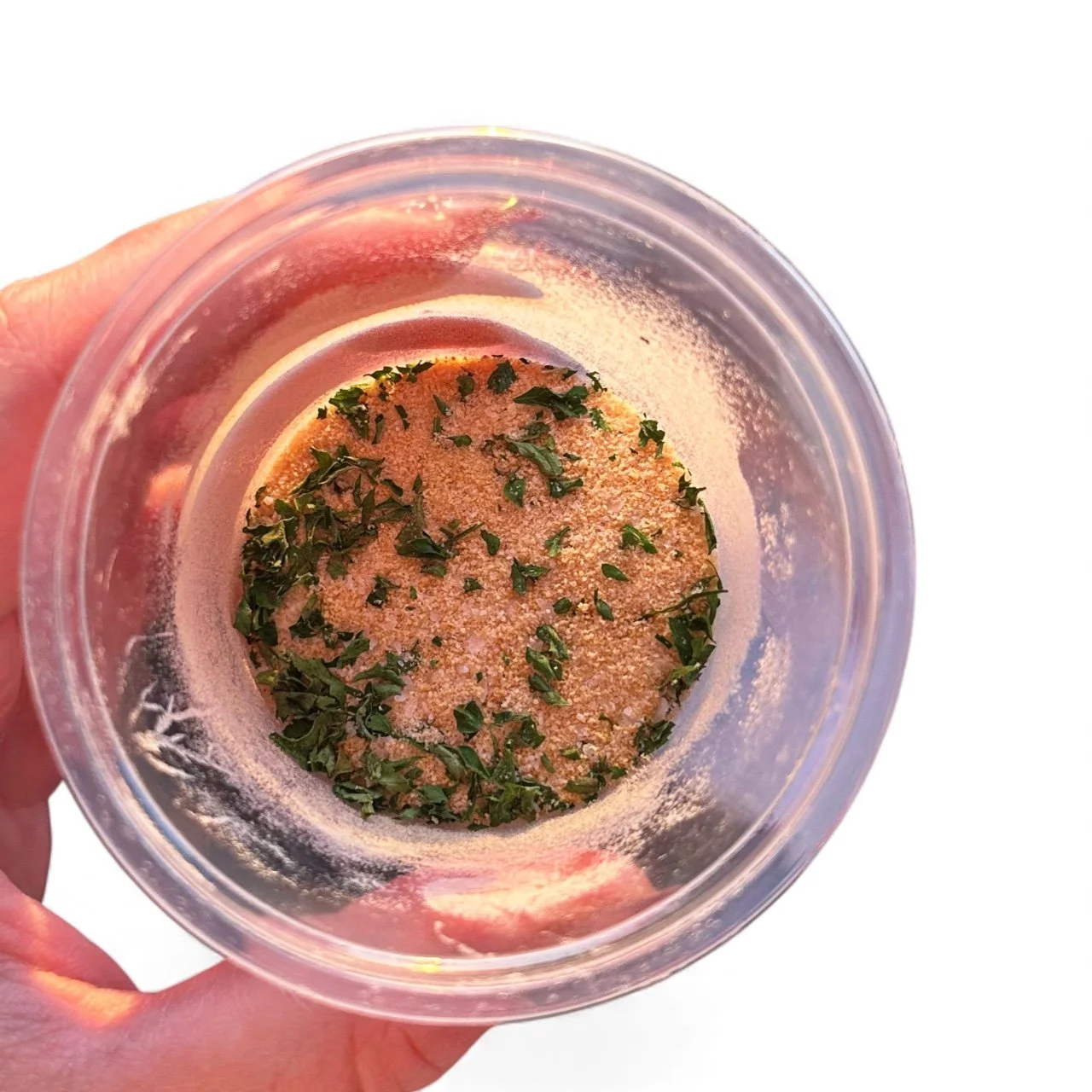
- Garlic powder — 8g (~1 tbsp)
- Fine sea salt — 8g (1 ½ tsp)
- Kosher salt — 3g (½ tsp)
- Onion powder — 2g (½ tsp)
- Sugar — 1g (¼ tsp)
- Dried parsley — big pinch
- Dried oregano — big pinch
- Mix well. Use at least 1/4 tsp per stick.
Instructions
- In the bowl of a stand mixer, add warm water, milk, sugar, honey, instant yeast, egg white, and olive oil. Whisk to dissolve.
- Add on top the dry mix (pre whisked): bread flour, potato flour, and fine sea salt.
- Mix on low (3 mins) until shaggy.
- Increase mixer speed to medium (speed 3) and mix: 5–7 minutes, until soft, elastic, silky.
- Add softened butter in pieces.
- Mix 3–5 more minutes, until dough is shiny, pillowy, tacky, and smooth and strong.
- FIRST RISE: Cover bowl and rise 60–75 minutes. Dough should be puffy but still soft, not overproofed.
- Divide dough into 12 pieces (80g each).
- Roll each ball into 7–8 inch (18–20 cm) ropes. Smooth surface. Place on parchment-lined sheet pans.
- Proof 20–30 minutes until noticeably puffy, still pale. NOT doubled.
- PREHEAT OVEN to 204°C (400°F) (lower temp 25 degrees F if using convection)
- This is meant to keep a signature soft, pale restaurant-style texture.
- Brush each proofed stick with a light coat of warmed Butter Oil.
- BAKE 204°C (400°F) 11–13 minutes. Very pale blonde with slight golden edges
- Internal temp: 88–90°C (190–194°F) Do not overbrown.
- Immediately out of the oven, brush generously with warm butter oil (use a light layer if desired)
- Season Immediately. The seasoning adheres best while butter oil is hot.
- Optional: Cover 5–10 Minutes. Cover loosely with a towel or parchment for the softest, meltiest texture.
